From Printing Words to Printing Images: How Printmaking Changed the Fate of Images
Art Prints|Original hand-drawn and digital artworks, produced as giclée prints and finished with acid-free mounting and framing.
From Printing Words to Printing Images:
How Printmaking Changed the Fate of Images
Art Prints
Original hand-drawn and digital artworks,
produced as giclée prints and finished with acid-free mounting and framing.
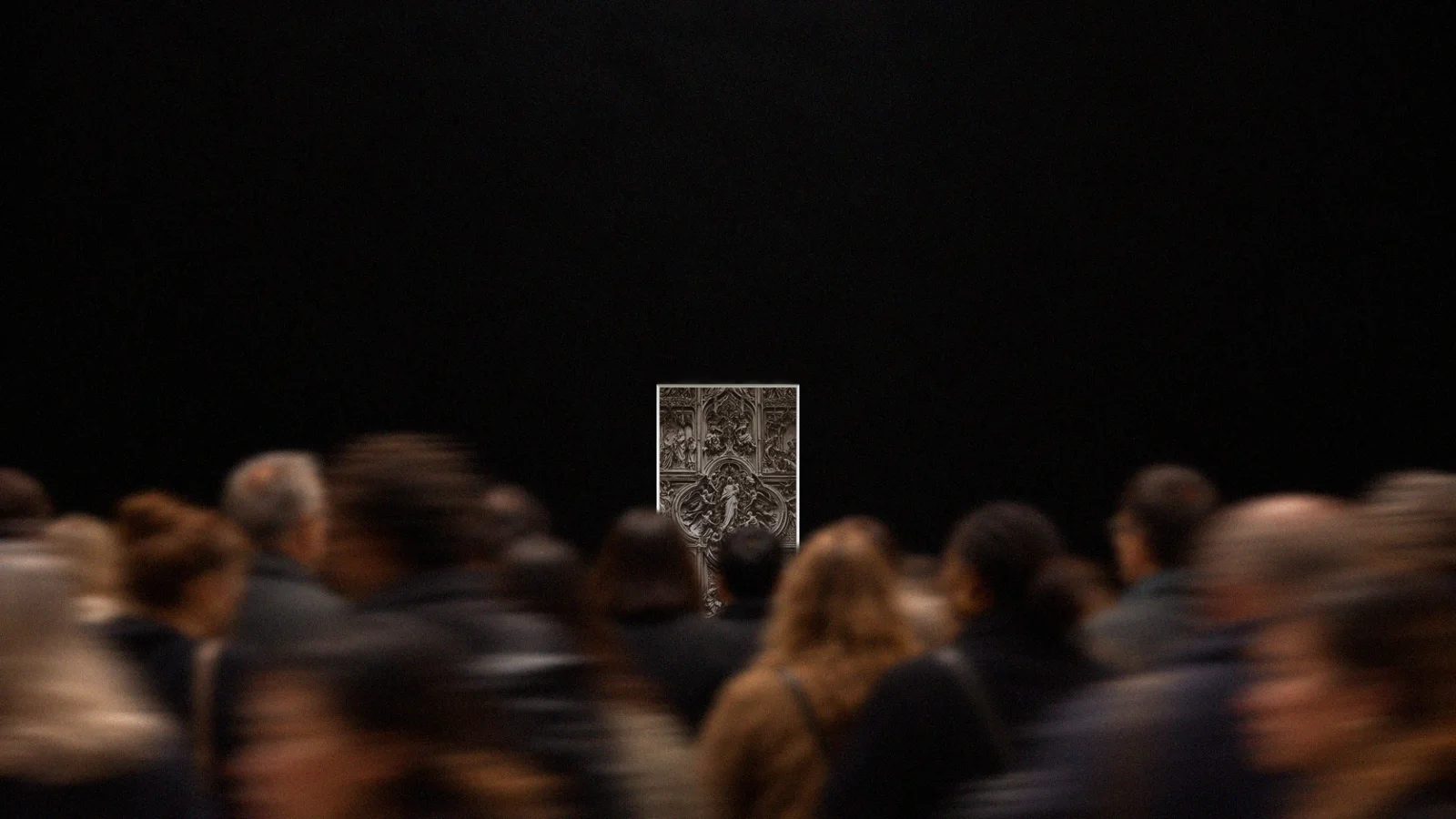
Today, images are almost everywhere: on phone screens, book pages, posters, social media, and walls throughout our cities.
Yet in the distant past, before printing emerged, an image was often confined to the place where the original existed. It might be kept in a palace, a religious site, or a private residence. Without being there in person, people had no way to see it.
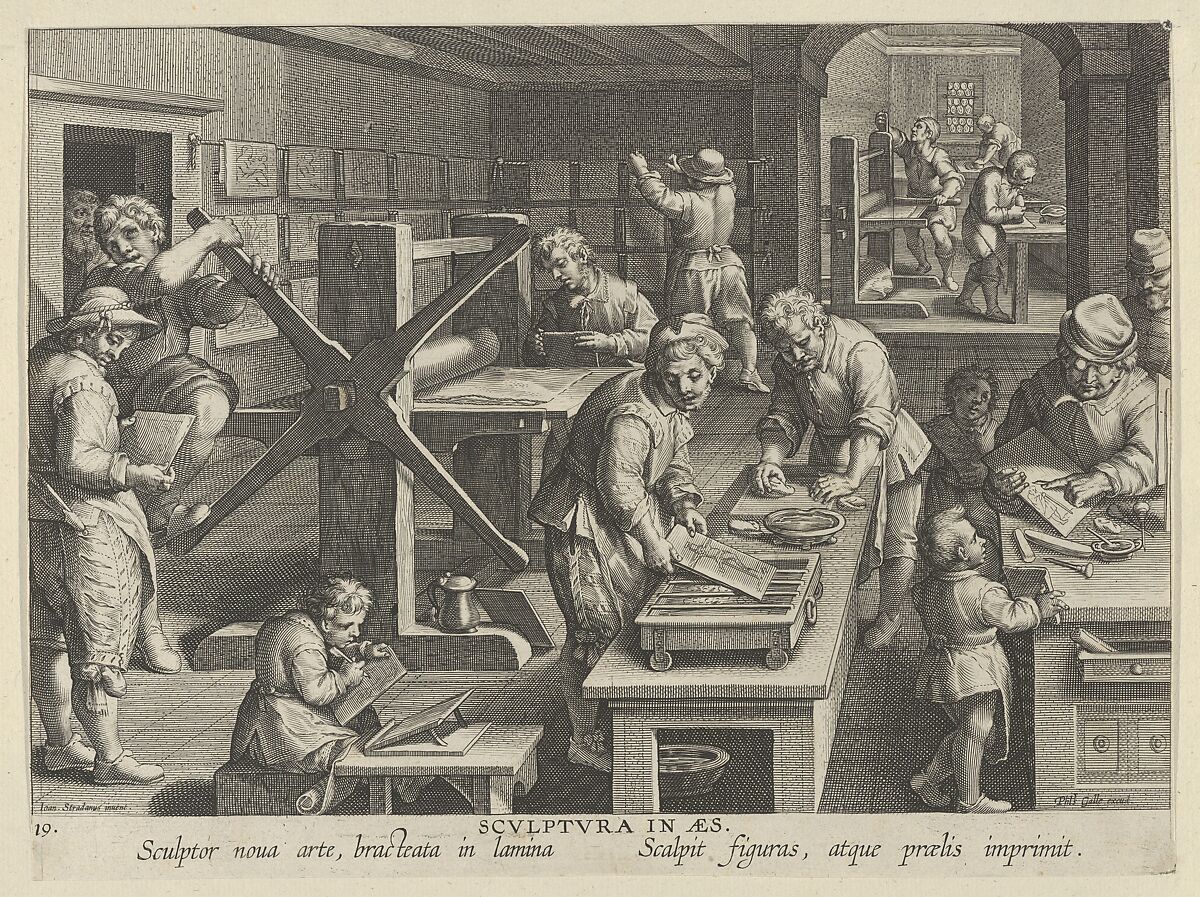
The arrival of printing changed this.
-
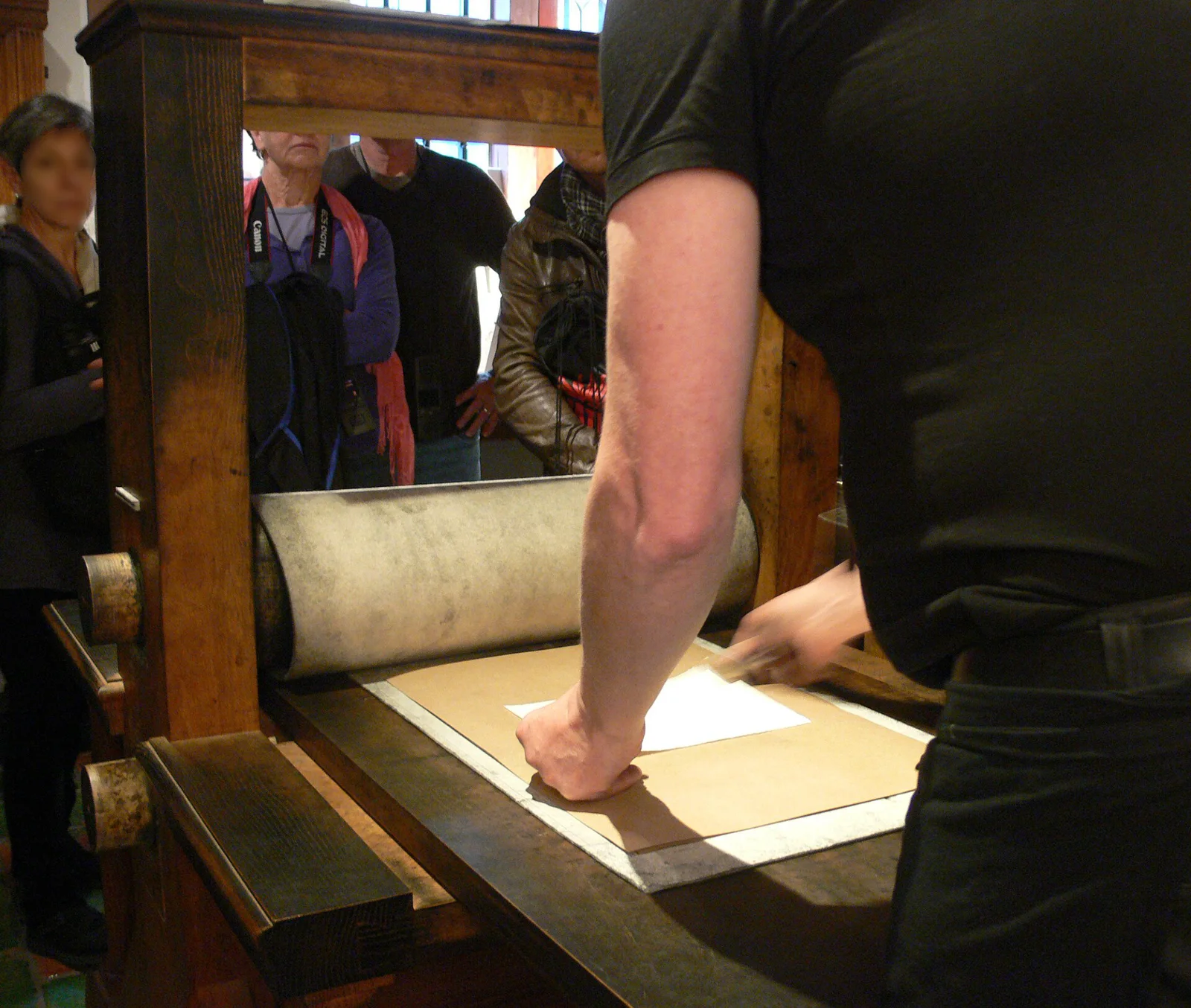
Printing first freed text from the confines of a single handwritten manuscript, allowing it to be reproduced consistently, circulated, and preserved. When images, too, were carved into printing surfaces and transferred onto paper, printmaking carried art beyond the location of the original, giving it a form that could be carried, circulated, and seen.
Rembrandt House Museum, printing studio, Amsterdam.
Photo: Remi Mathis / Wikimedia Commons / CC BY-SA 3.0.
-
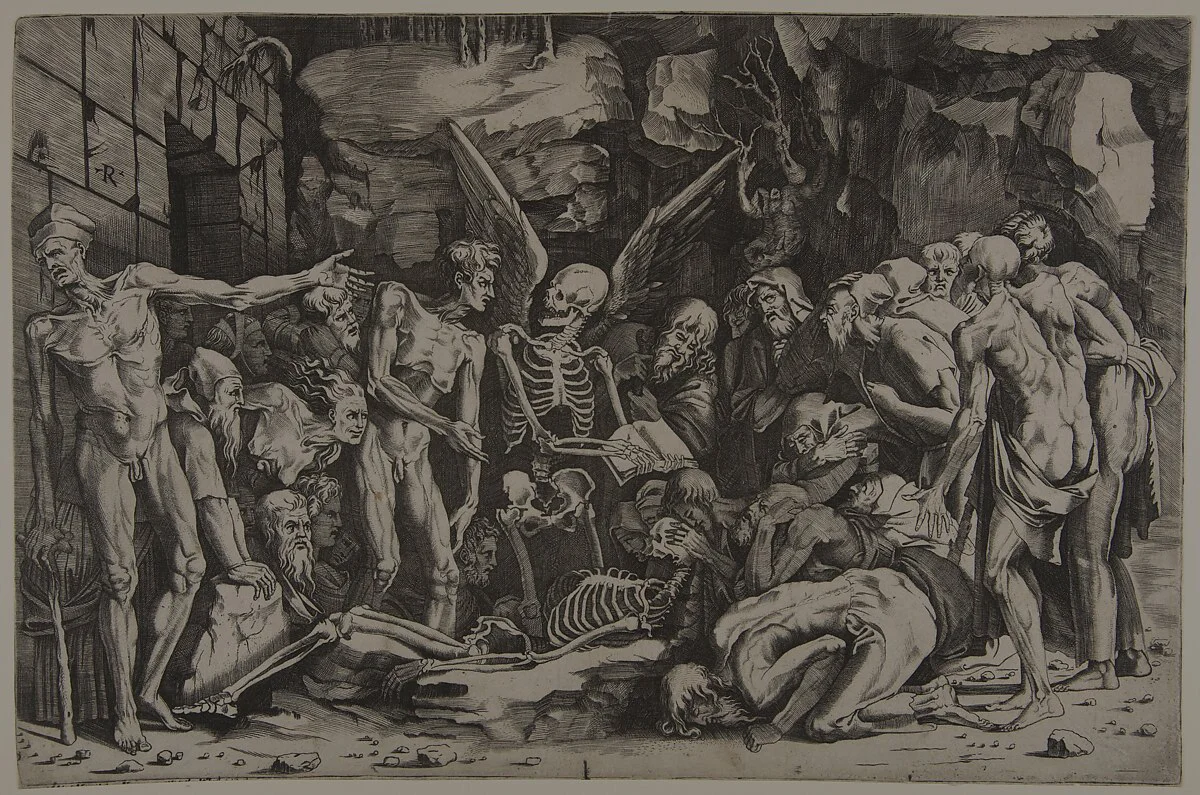
From then on, knowledge could travel across regions, and art was no longer reserved for the few who could encounter it in person. The history of printmaking is more than a history of evolving techniques. It is also the story of how images entered the wider world and reached the public.
-
01
When Words and Images Were Printed Together
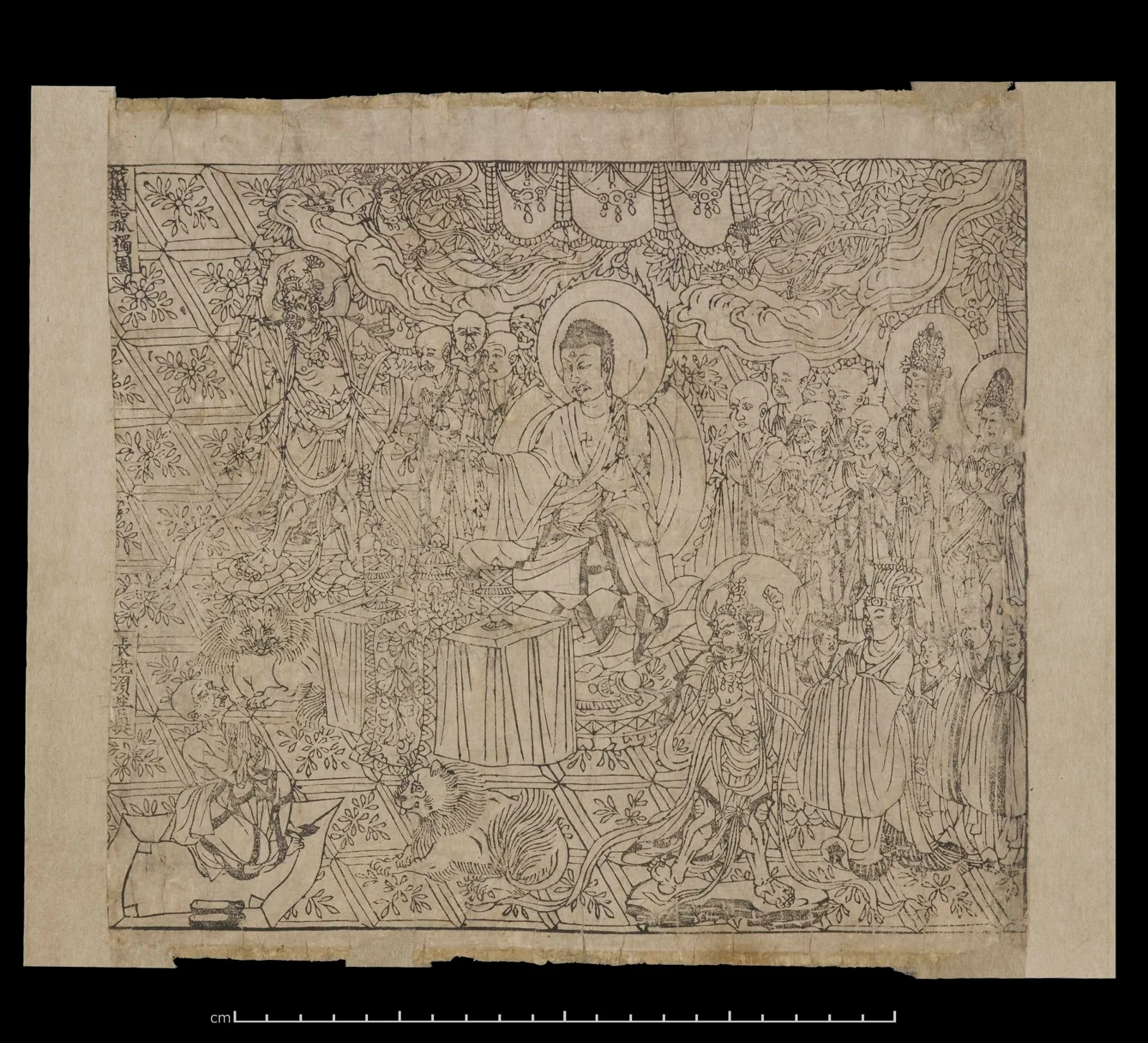
In East Asia, woodblock printing was used from an early date to circulate religious scriptures, calendars, and knowledge.
The earliest surviving complete printed book with an explicit date is the Vajracchedikā Prajñāpāramitā Sūtra, commonly known as the Diamond Sutra, printed in the ninth year of the Xiantong era of the Tang dynasty, or 868 CE.
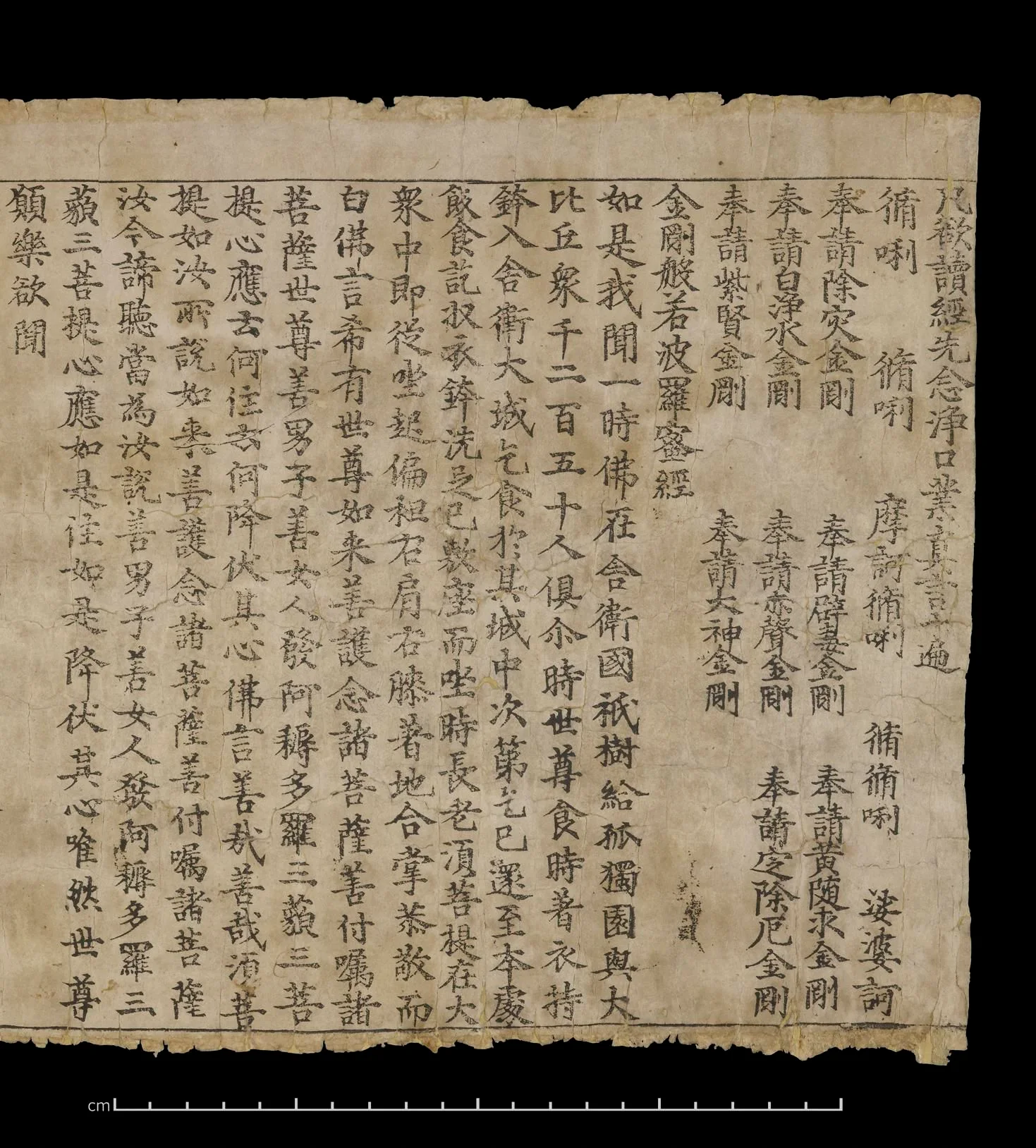
Commissioned as an act of devotion by a Buddhist named Wang Jie, this long work takes the form of a scroll. It opens with an exquisite woodcut illustration of the Buddha preaching—the earliest surviving printed book illustration in the world.
_
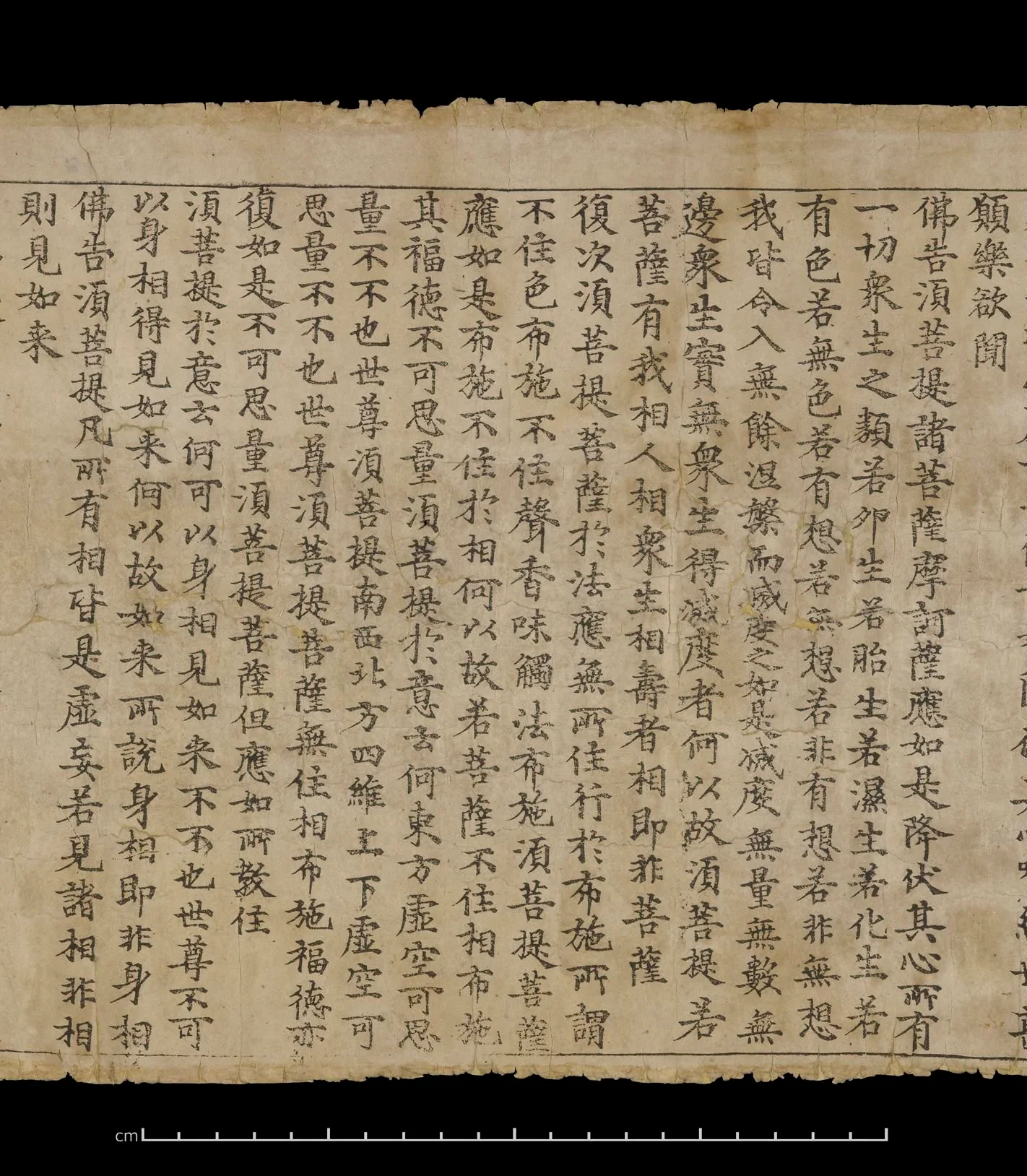
Printing was never simply about reproducing words. As text began to circulate on a larger scale, images also gained the possibility of being reproduced and shared.
The principle of woodblock printing is straightforward: text or images are carved in reverse into a wooden block, leaving raised surfaces to receive the ink, which is then transferred onto paper.
-
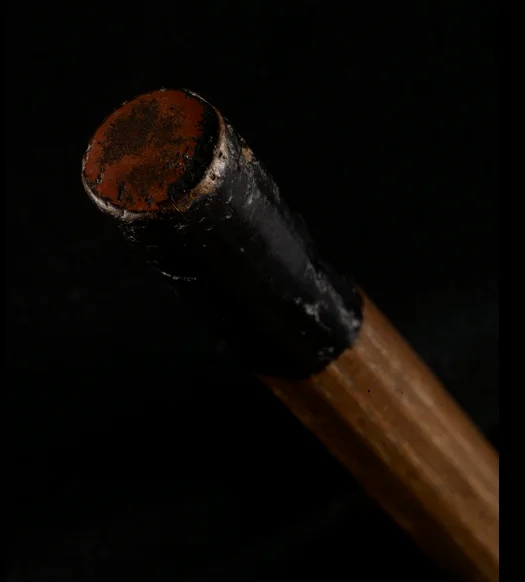
Yet this seemingly simple process depends on the original design, the carving, the ink, the paper, and the printer’s experience all working together.
-
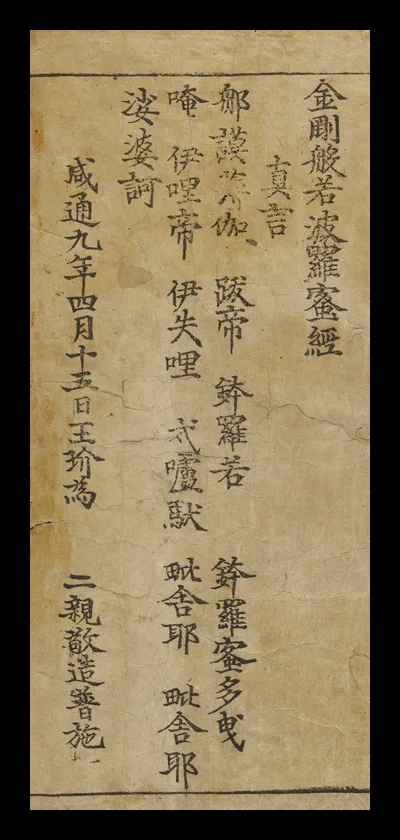
The clarity of an image, the consistency of its lines, and the strength of its lettering all depend on these details. From the earliest days of printing, the goal was never simply to produce more copies. An image had to be translated with care and precision.
-
02
After Gutenberg:
Letterforms Made to Circulate
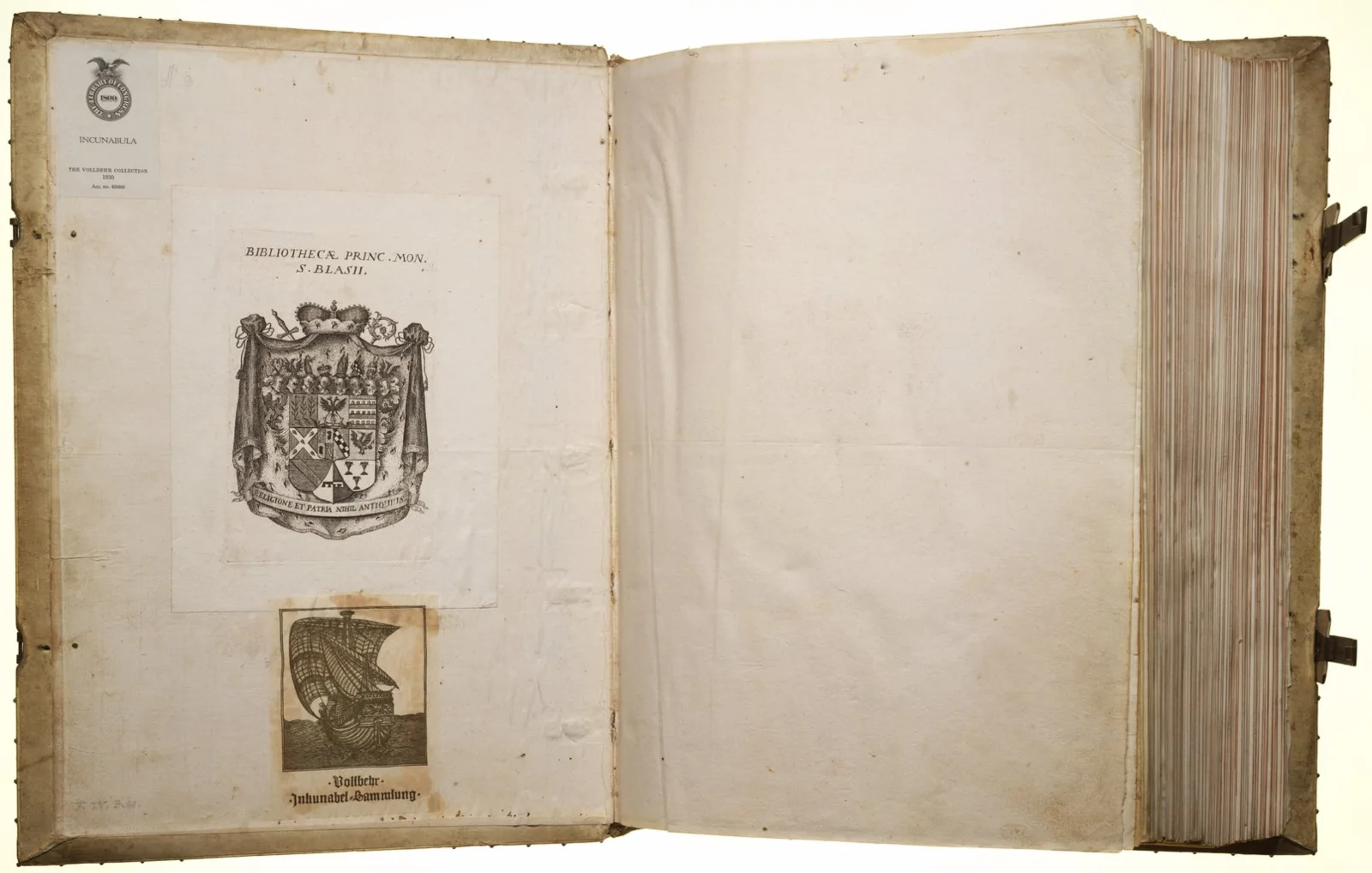
In 1455, Johannes Gutenberg and his collaborators completed the Gutenberg Bible in Mainz, Germany.
It was the first great book in Western Europe printed with movable metal type. A landmark in the art of bookmaking, it marked a turning point in production and stood at the threshold between the medieval and modern worlds.
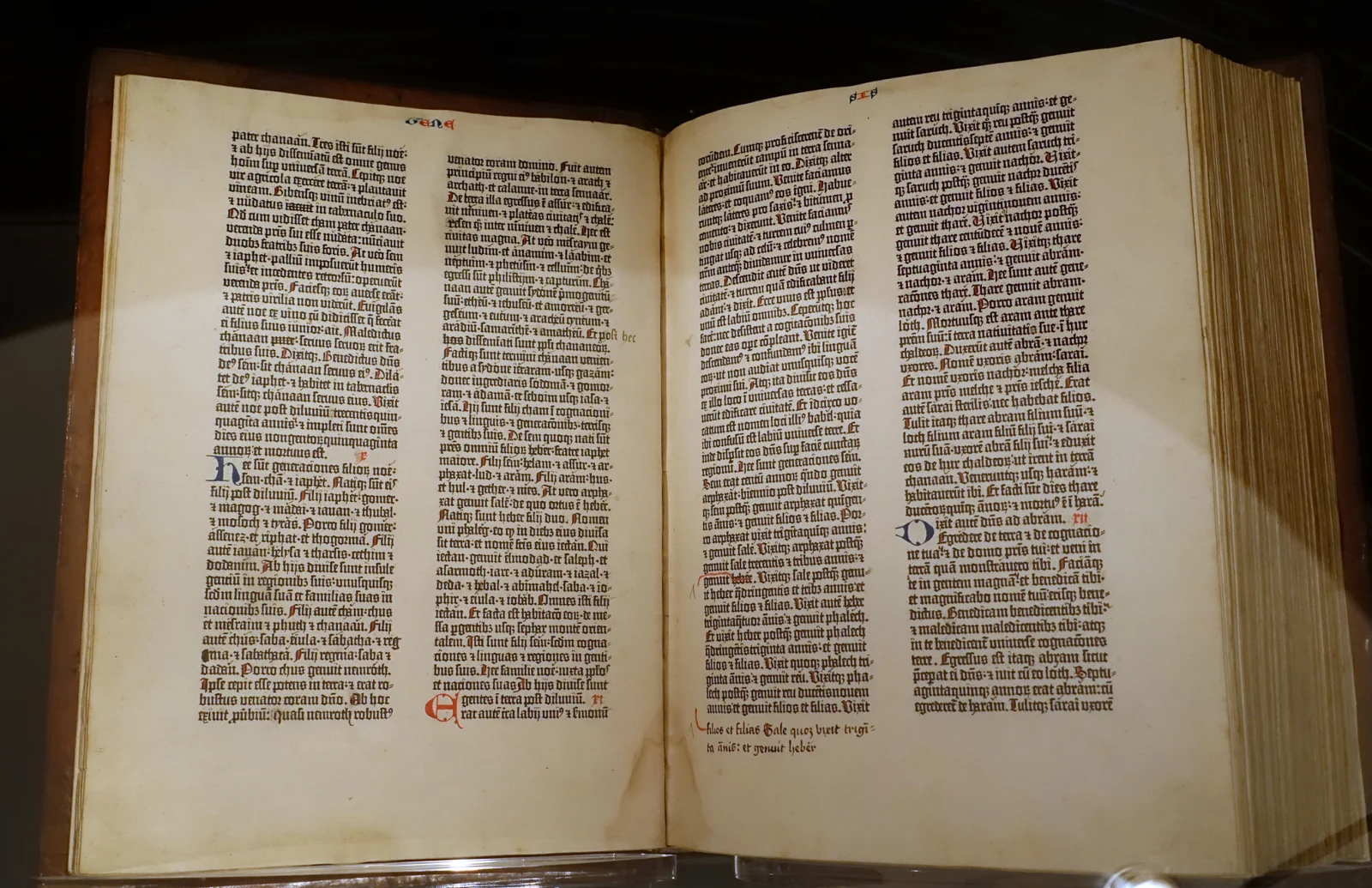
Gutenberg’s invention of the mechanical printing press made it possible for humanity’s accumulated knowledge to become the shared inheritance of anyone who could read—a profound step toward intellectual freedom.
-
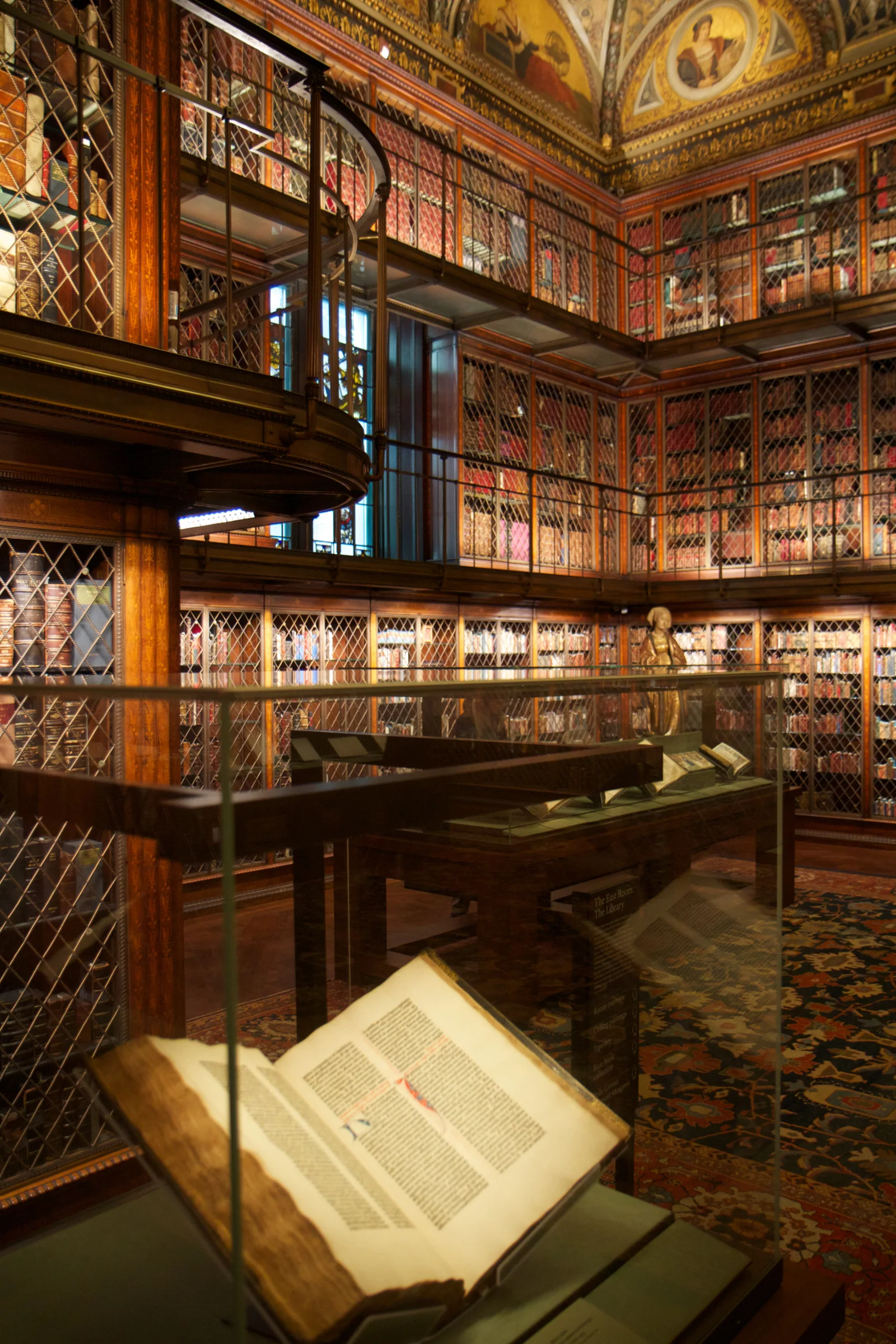
It allowed text to be set and reproduced more consistently and efficiently, gradually transforming books from handwritten manuscripts into a medium that could circulate widely.
-
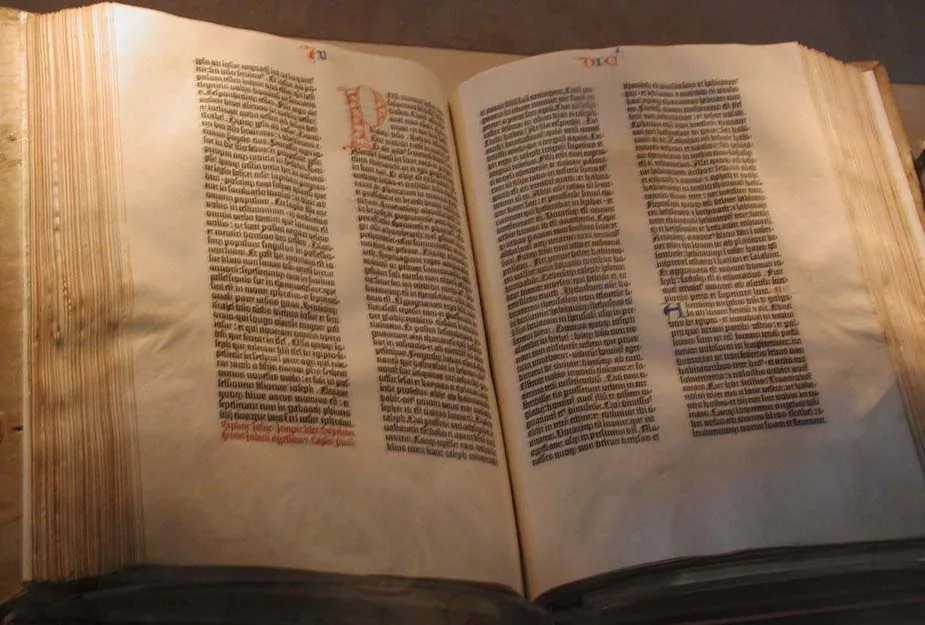
One of the most compelling aspects of the Gutenberg Bible is that it did not entirely abandon handwork. After printing, many initials and decorative elements were still added by hand.
Mark Pellegrini/ Raul654/CC BY-SA 3.0。
-
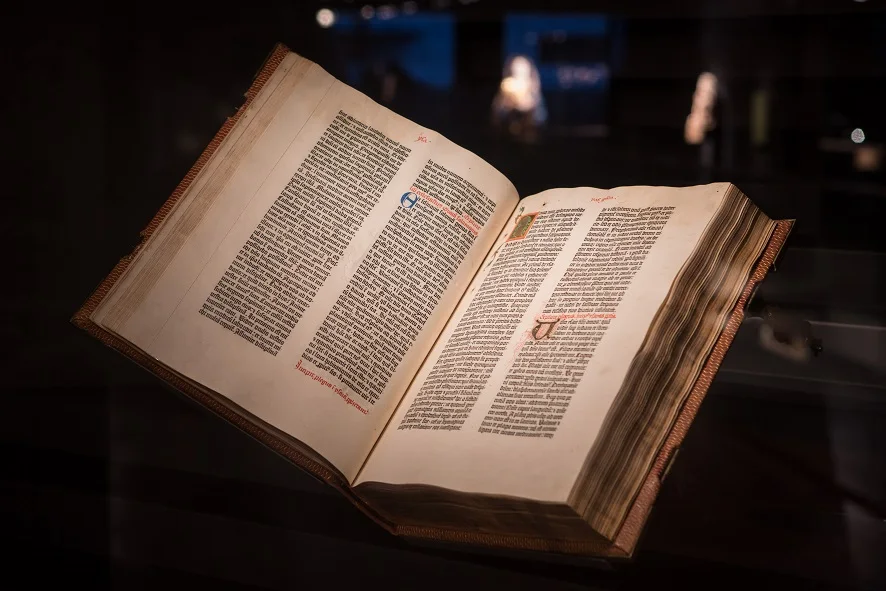
This work stands between two eras: it signals the beginning of mechanical reproduction while preserving traces of handwritten lettering and decoration.
Printing did not replace the human hand. It allowed the forms created by that hand to travel further.
Collection of the Fondation Martin Bodmer.
-
03
Dürer: The Print as an Artist’s Work
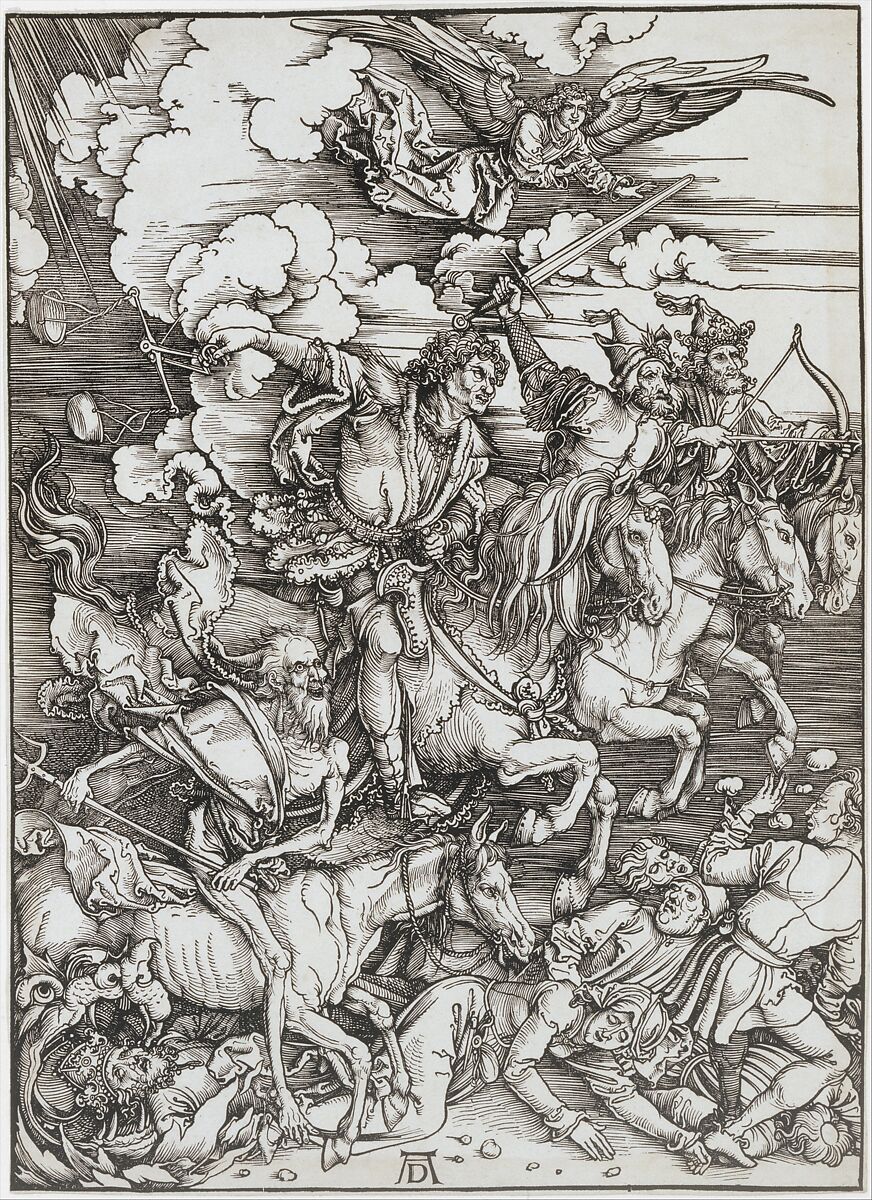
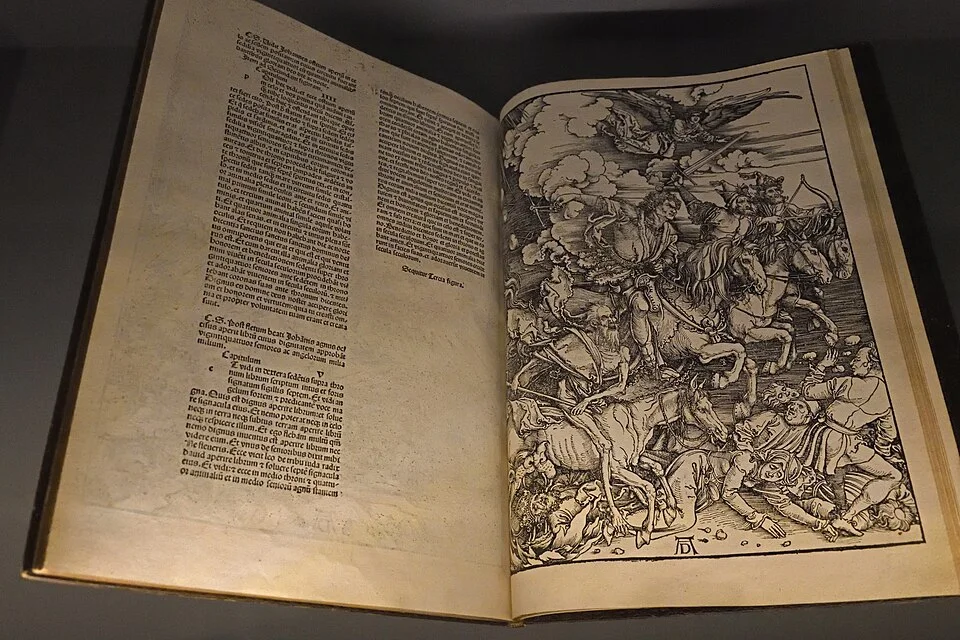
As printing developed, images began to move beyond their supporting role on the page.
The German artist Albrecht Dürer was one of the most important figures in this development. In 1498, he published his woodcut series The Apocalypse. In The Four Horsemen, galloping horses, overlapping bodies, and stark contrasts of black and white transform a religious narrative into a scene of overwhelming visual intensity.
Dosseman/CC BY-SA 4.0
-
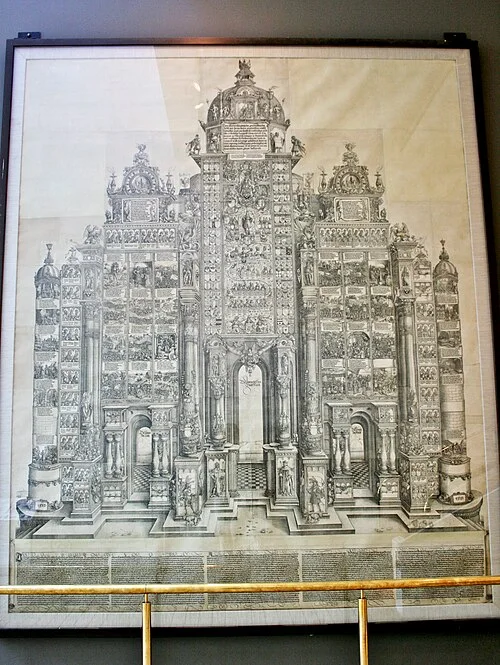
Dürer showed that a woodcut could do more than illustrate a story. It could possess composition, rhythm, and drama, and carry an artist’s individual style.
Mike Peel/CC0
-
In Melencolia I of 1514, he used copperplate engraving to create light, shadow, and texture of almost inconceivable intricacy. Geometrical instruments, a magic square, a ladder, and a brooding winged figure draw printmaking into questions of knowledge, creativity, and human anxiety.
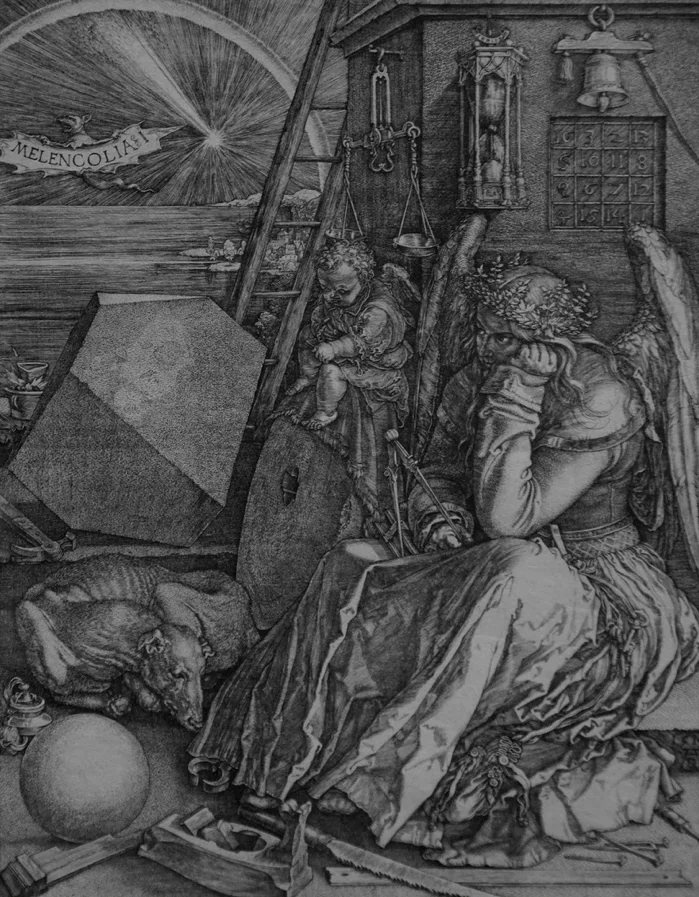
With Dürer, the print became more than a substitute for a painting. It could be an independent work, designed and engraved by the artist, bearing their name and collected in its own right.
04
Light and Imagination on Metal Plates
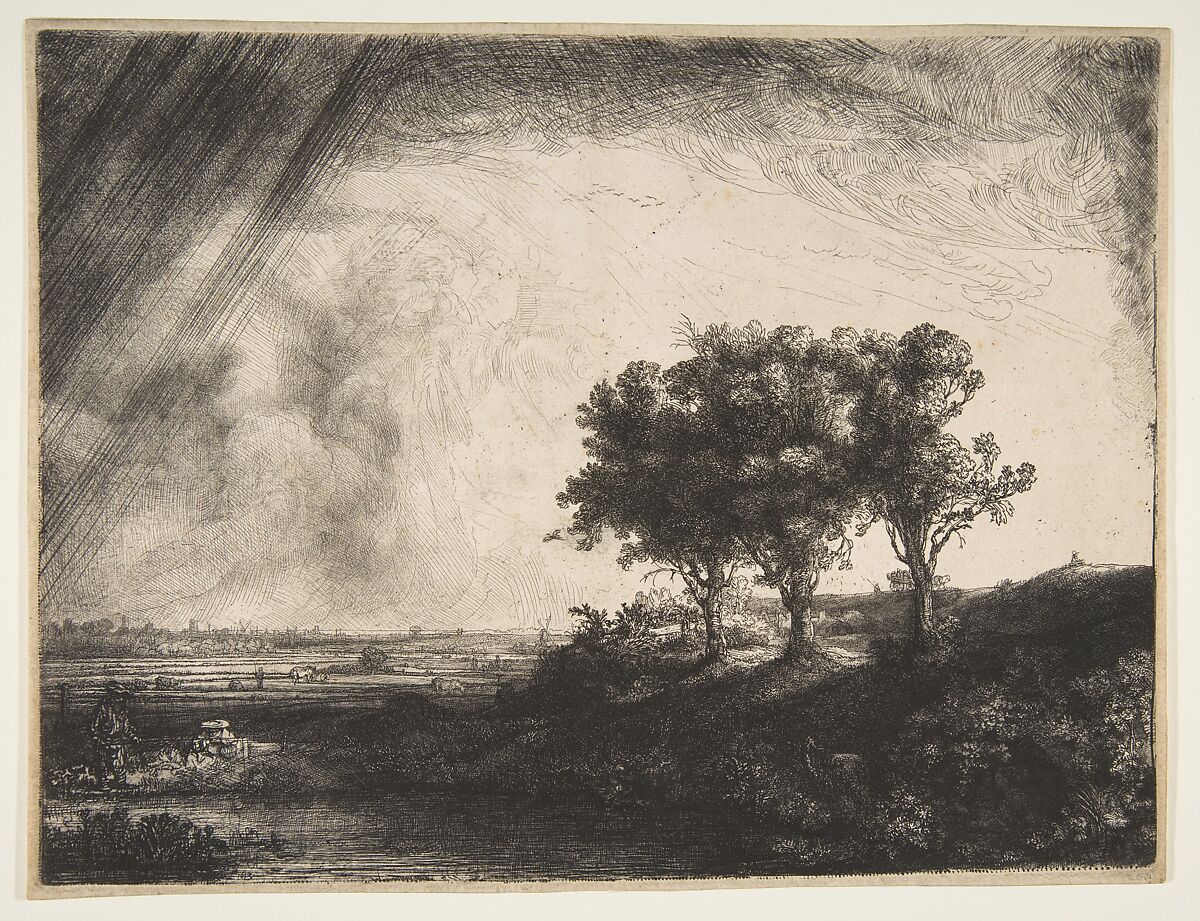
In the seventeenth century, intaglio techniques expanded the expressive complexity of prints. Unlike woodcuts, engravings and etchings hold their lines in grooves cut or bitten into a metal plate. After inking, excess ink is wiped from the surface, and dampened paper is pressed into the fine recesses. This method captures exceptionally delicate textures, giving light, weather, and space greater depth and nuance.
Rembrandt’s The Three Trees of 1643 is a classic example of etching. A distant thunderstorm, low sunlight from the right, and the uneven terrain in the foreground make the weather seem to shift across a landscape on paper. The work does more than depict trees; it gives the viewer a sense of air and passing time.
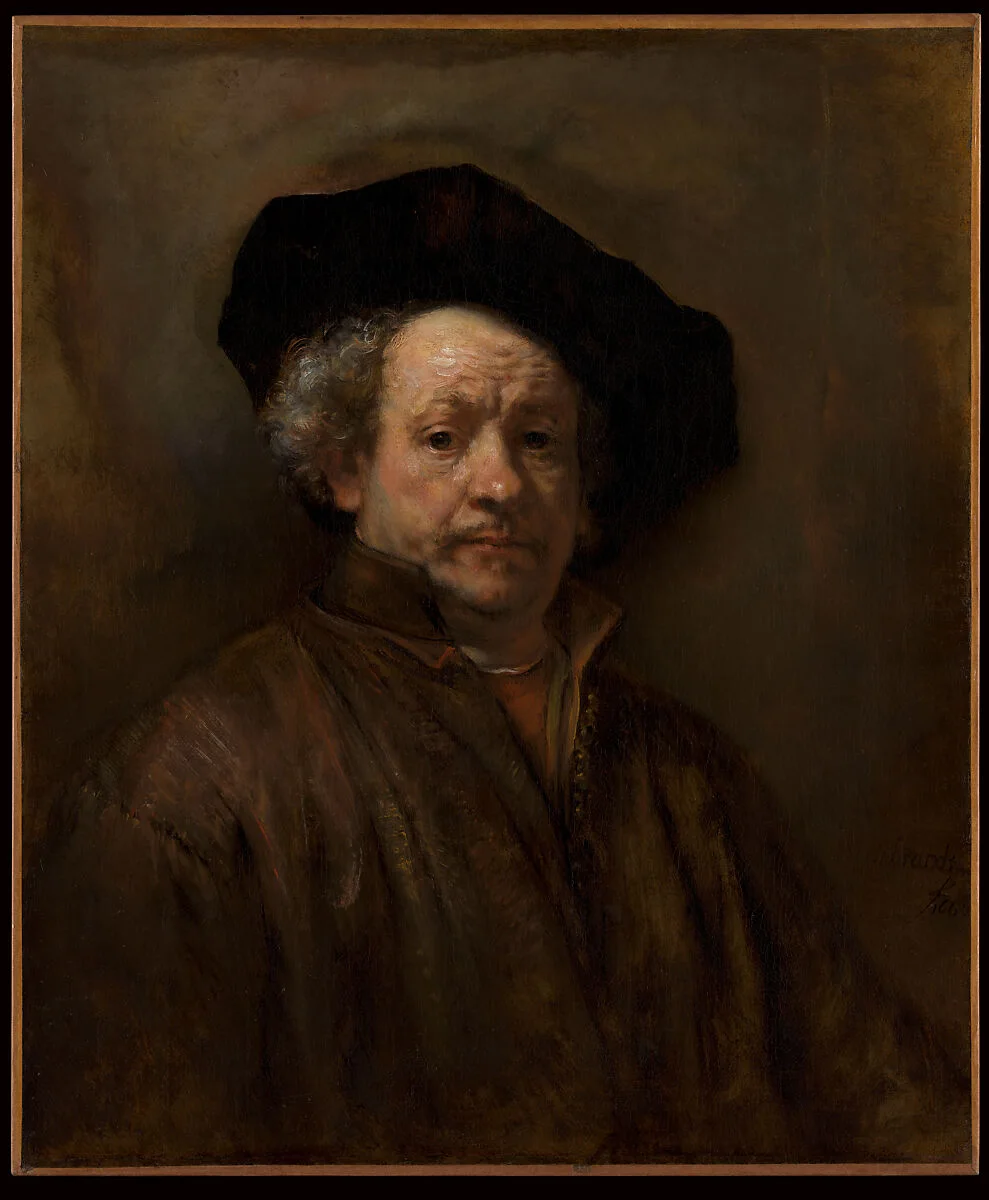
Rembrandt van Rijn, Self-Portrait, 1660. Oil on canvas. Collection of The Metropolitan Museum of Art.
The Metropolitan Museum of Art / CC0.
-
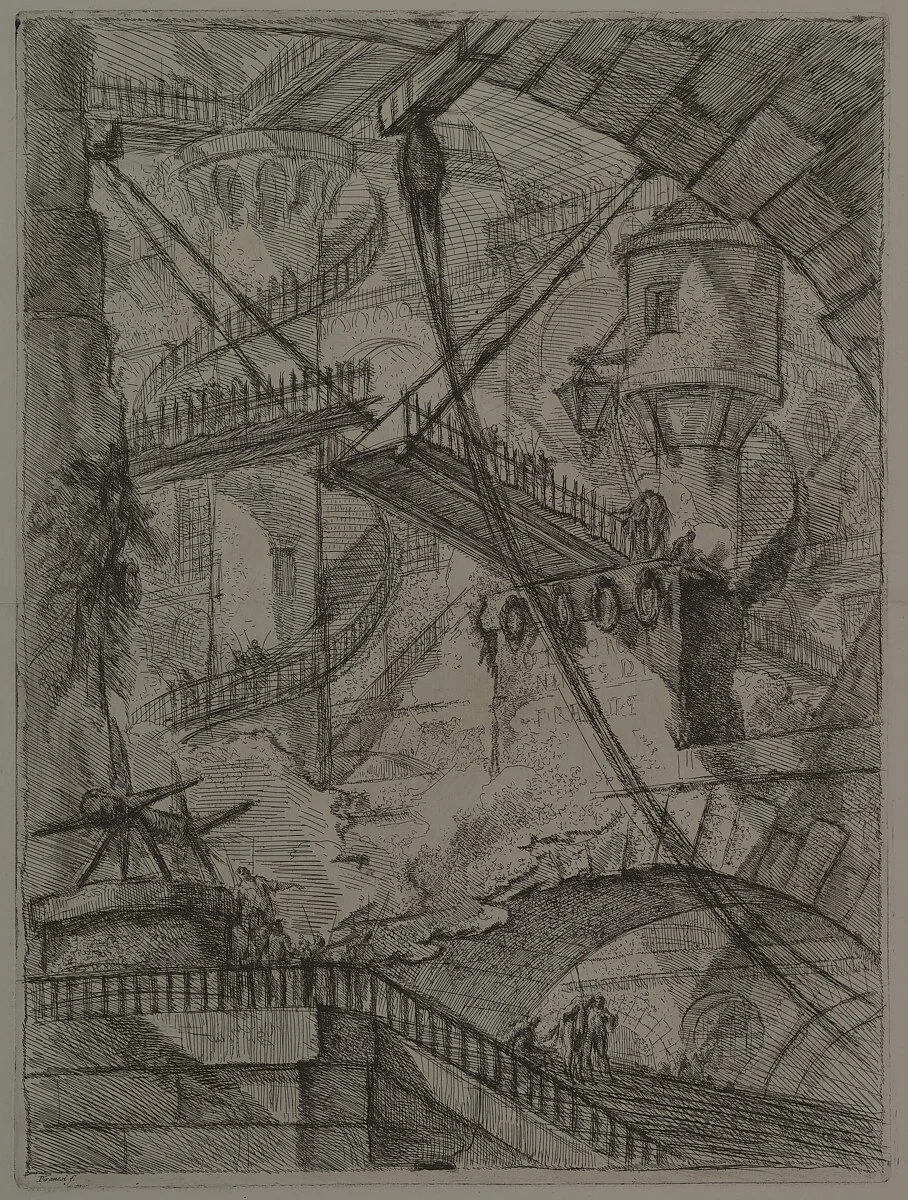
In the eighteenth century, the Italian artist Piranesi pushed etching toward another extreme with his Imaginary Prisons series. Staircases, arches, drawbridges, and vast machines form architectural spaces that are impossible yet convincing. These images resemble dreams, as well as metaphors for power and order. Here, printmaking moves beyond recording the world and begins to invent one.
Giovanni Battista Piranesi (1720–1778), Imaginary Prisons (Le Carceri d’Invenzione), c. 1750; revised edition, 1761. Etching. Collection of the British Museum (or The Metropolitan Museum of Art; impressions are held by major museums worldwide).
-
05
When Prints Began to Critique Society
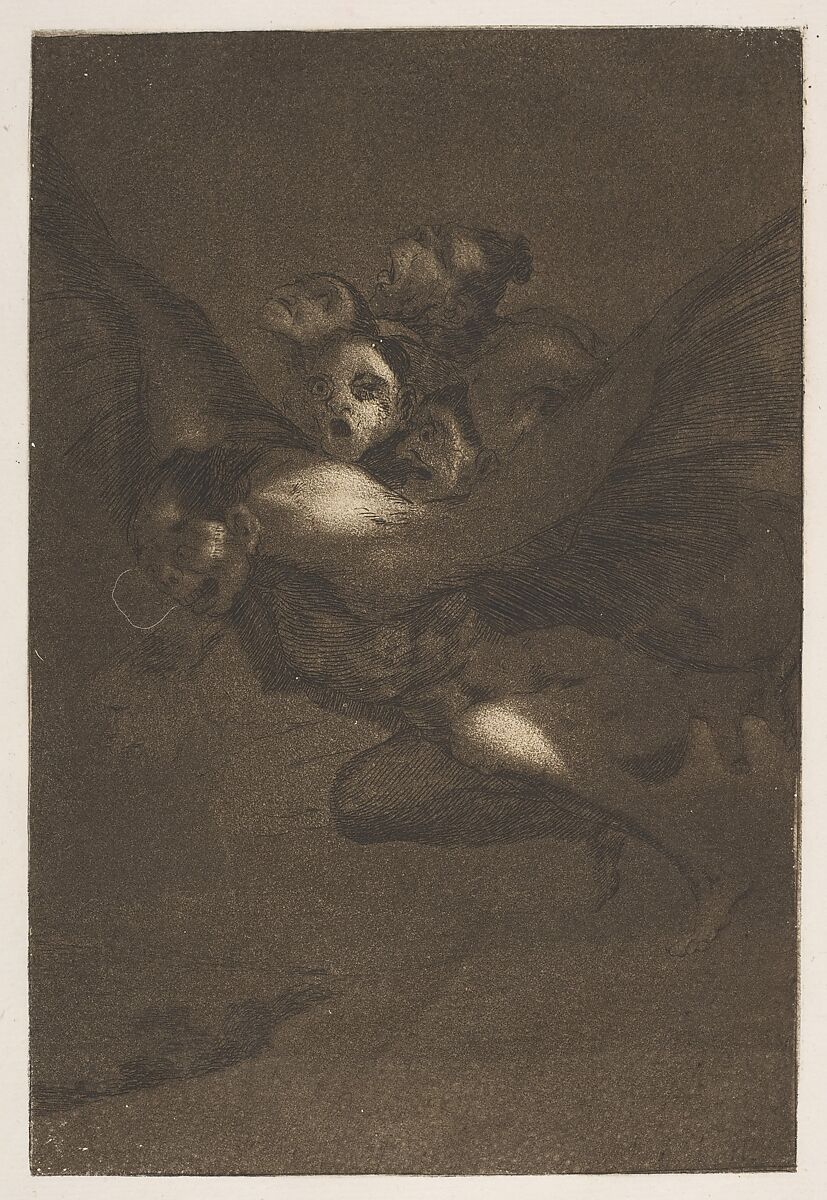
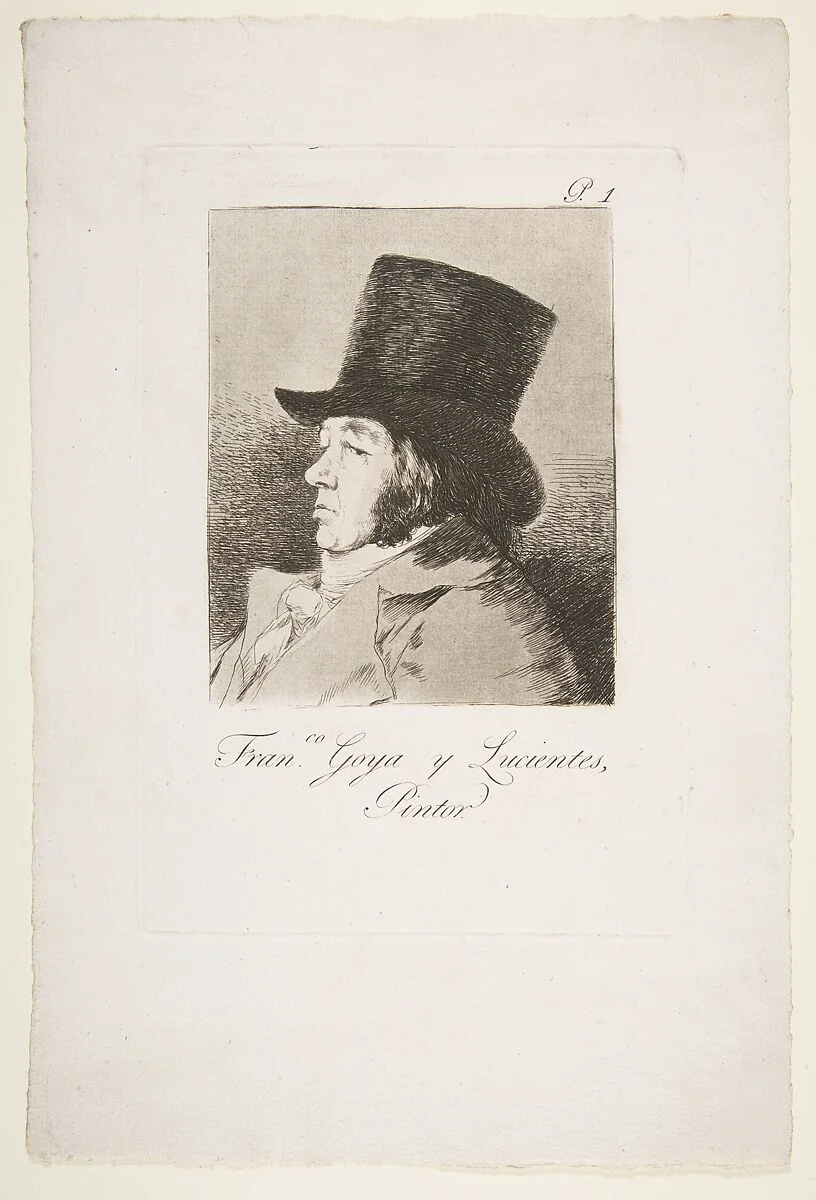
The power of printmaking lies not only in its techniques but also in its ability to circulate ideas quickly. In 1799, the Spanish artist Francisco de Goya published Los Caprichos. Its best-known image is plate 43, The Sleep of Reason Produces Monsters.
Francisco de Goya, Self-Portrait, plate 1 from Los Caprichos, 1799. Etching, aquatint, drypoint, and engraving. Collection of The Metropolitan Museum of Art.
The Metropolitan Museum of Art / CC0.
-
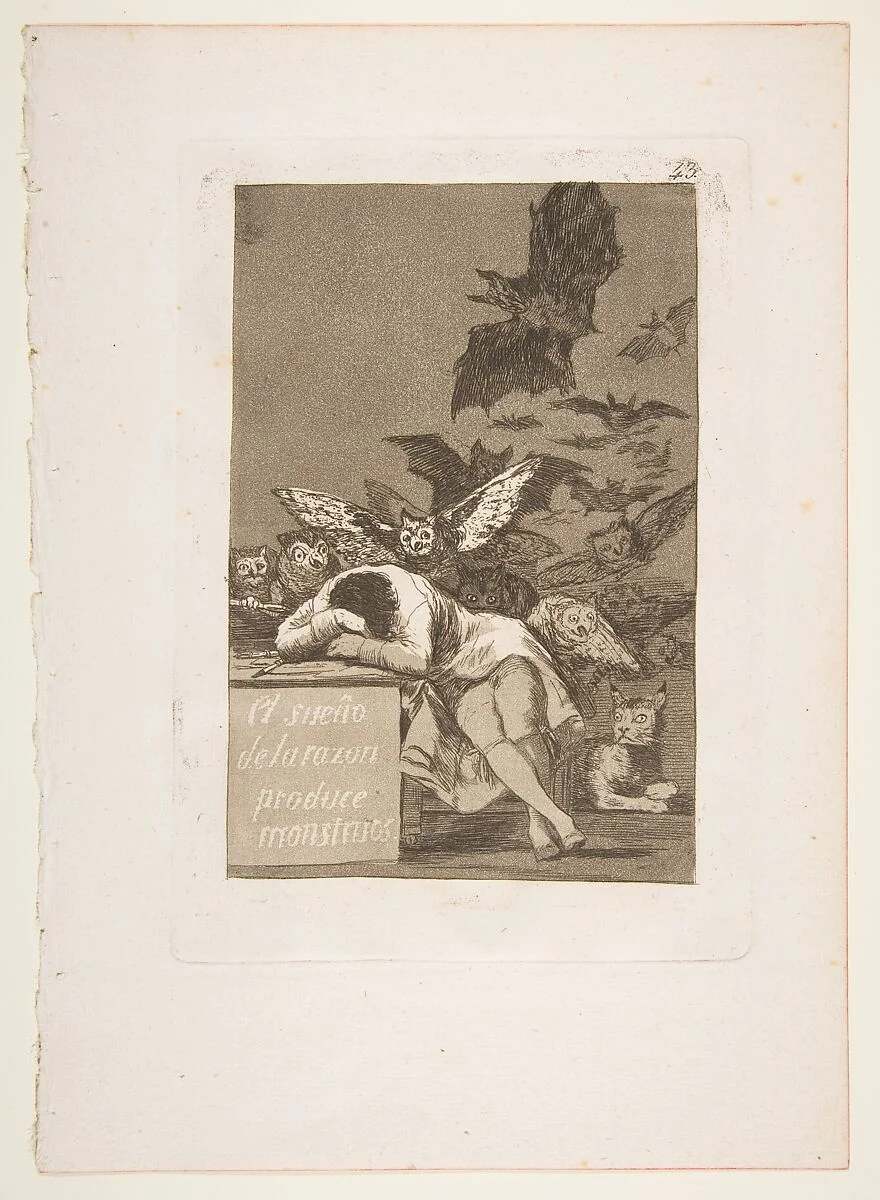
In the image, a figure asleep at a desk is surrounded by owls, bats, and creatures of the dark. Through etching and aquatint, Goya brings reason, superstition, fear, and power together in a deeply unsettling image.
This work reminds us that a print can carry more than beauty. It can critique society, explore shared anxieties, and bring ideas that once existed only within the studio before a wider audience.
Francisco de Goya (1746–1828), The Sleep of Reason Produces Monsters, from Los Caprichos, 1799. Etching and aquatint. Collection of the Museo Nacional del Prado, Madrid; impressions are also held by major museums worldwide.
-
06
From Ukiyo-e to Street Posters
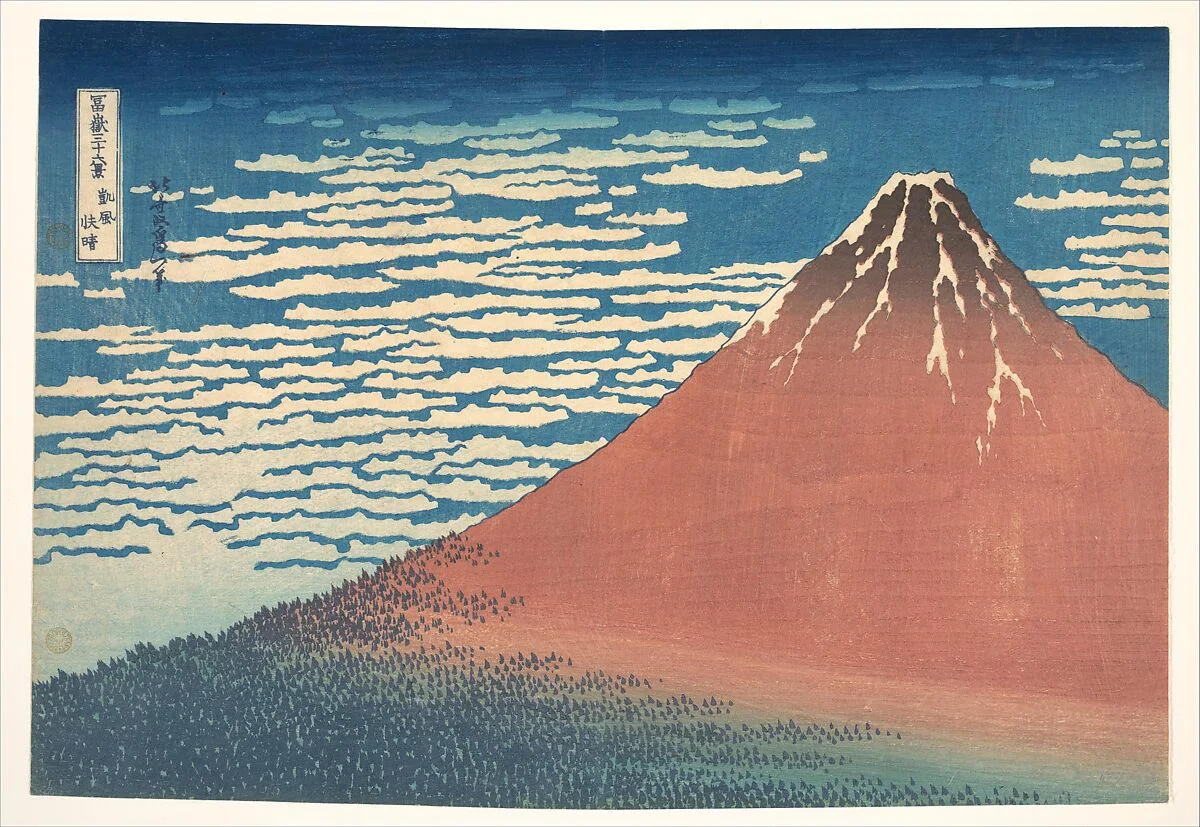
Meanwhile, in Japan, Katsushika Hokusai created Under the Wave off Kanagawa around 1830–1832. An enormous wave nearly engulfs the composition, while Mount Fuji is reduced to a small triangle in the distance.
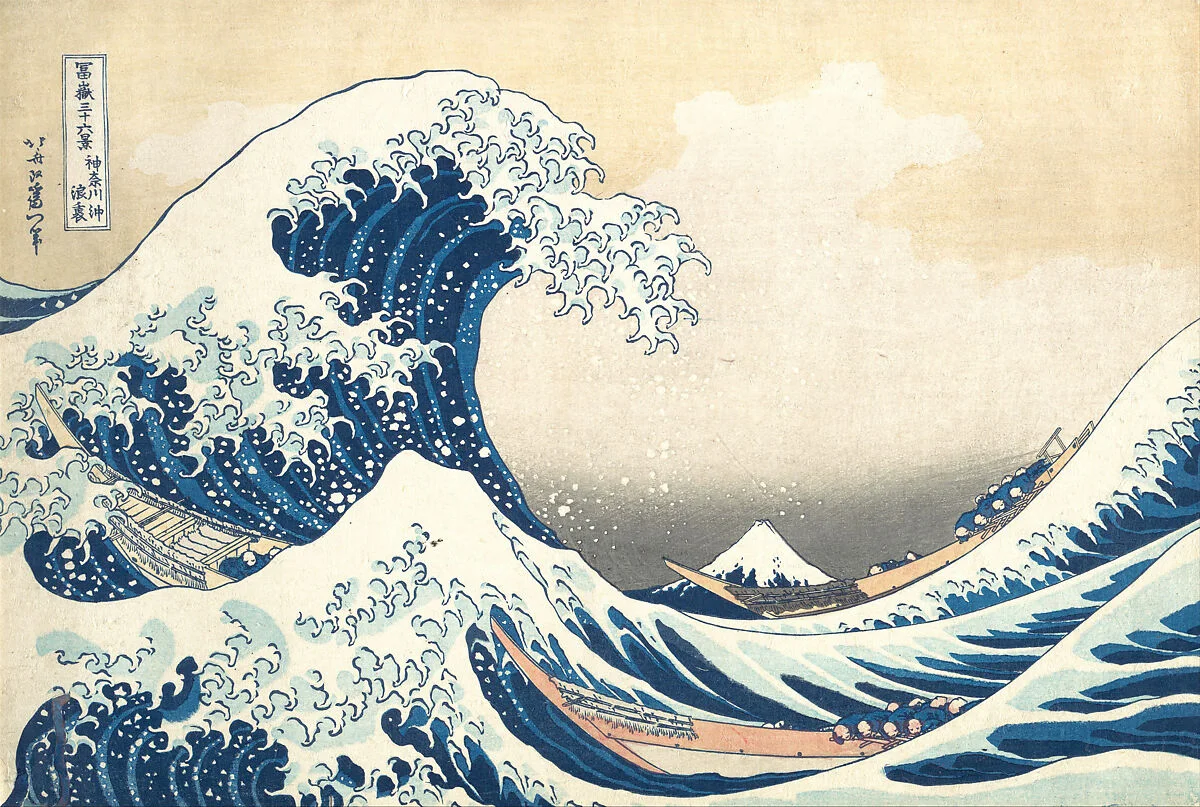
With vivid Prussian blue, flat areas of color, and a bold composition, this color woodblock print redefined how a landscape could be seen.
Katsushika Hokusai (1760–1849), Under the Wave off Kanagawa, from Thirty-six Views of Mount Fuji, c. 1830–1832. Ōban-format nishiki-e: a multicolor woodblock print using water-based pigments. Collection of the Tokyo National Museum; early impressions are also held by major museums, including the British Museum and The Metropolitan Museum of Art.
-
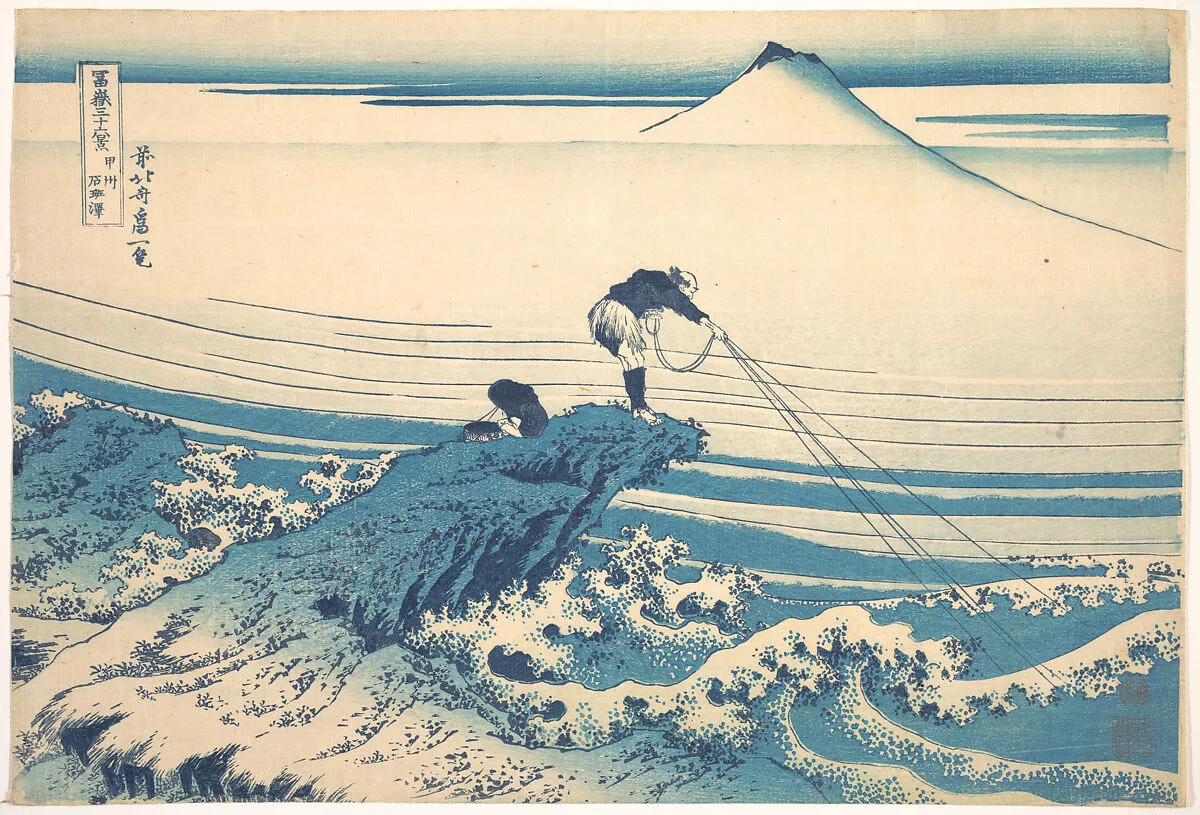
Ukiyo-e was a collaborative undertaking involving artists, block carvers, printers, and publishers. It brought actors, famous places, beautiful women, fashions, and urban life into a widely circulating visual culture. It was both a commodity and a form of design, an expression of contemporary taste that would also profoundly influence European approaches to composition and color.
Katsushika Hokusai (1760–1849), Kajikazawa in Kai Province, from Thirty-six Views of Mount Fuji, c. 1830–1832. Woodblock print on paper. The Metropolitan Museum of Art, New York; formerly in the collection of Henry L. Phillips, bequeathed in 1939. Accession number: JP2986. The Metropolitan Museum of Art / CC0.
-
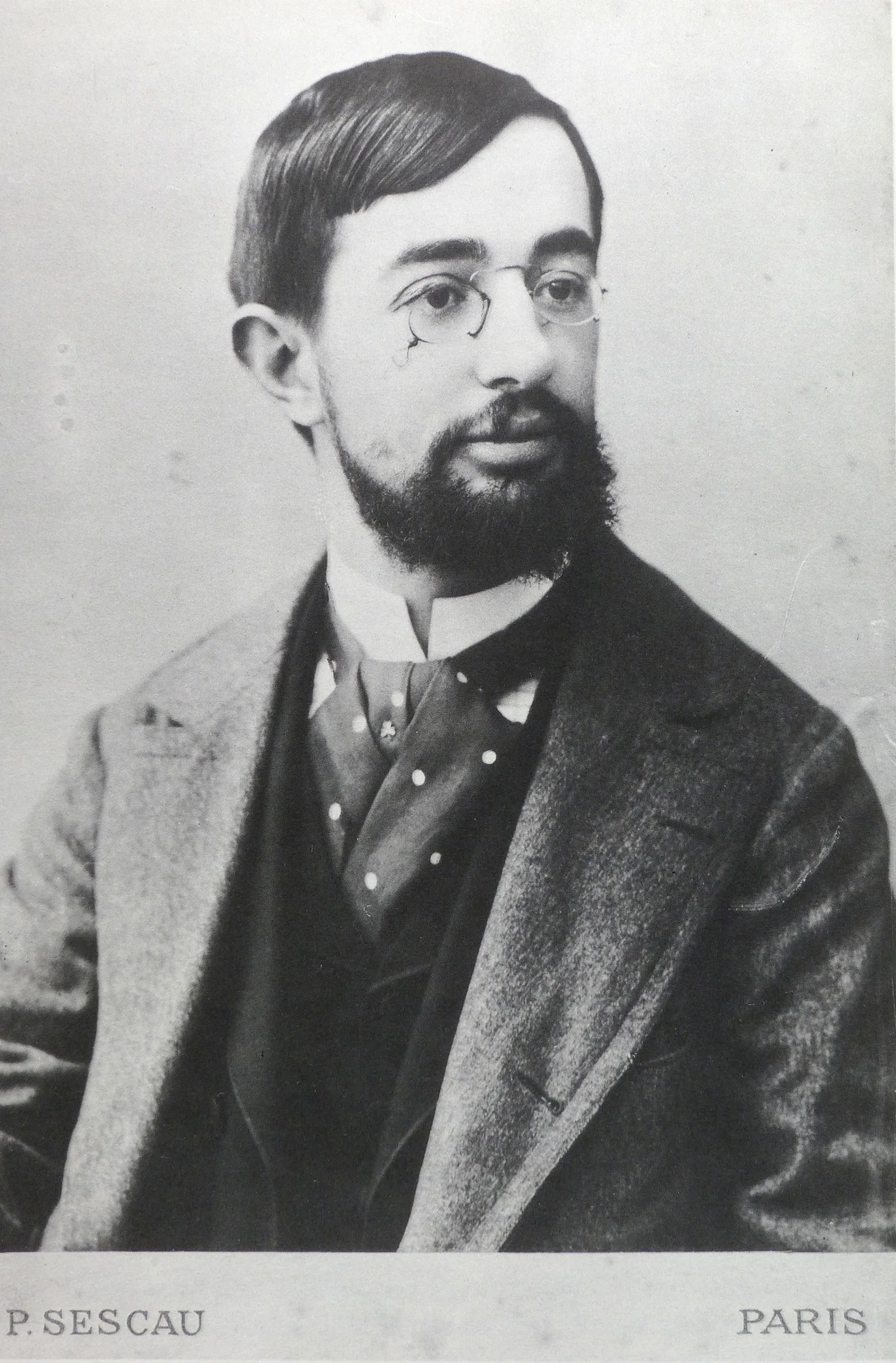
In the late nineteenth century, lithography brought images fully into the streets. In 1891, Toulouse-Lautrec created Moulin Rouge: La Goulue for the Parisian dance hall, depicting its star performer in a four-color lithograph. Oversized lettering, flat blocks of color, and silhouetted figures transformed advertising from a means of conveying information into a new urban aesthetic.
Portrait of Henri de Toulouse-Lautrec (1864–1901). Photograph by Paul Sescau. Wikimedia Commons / Public Domain.
-
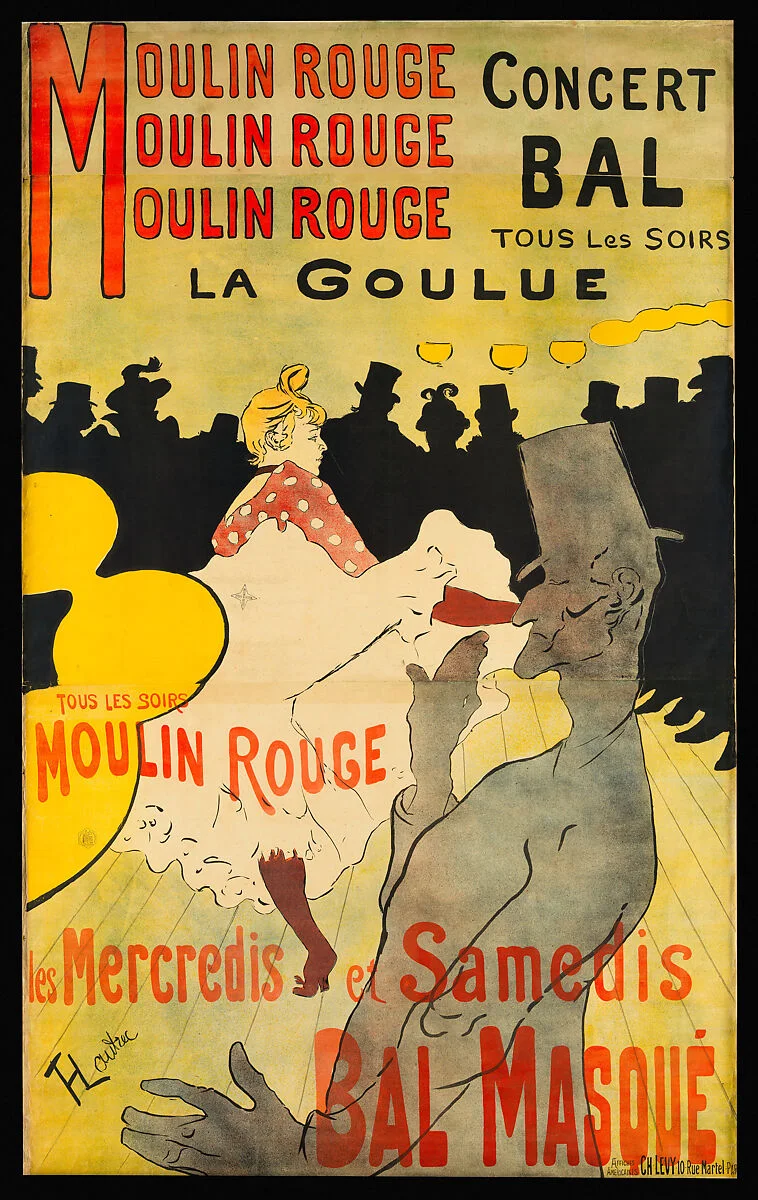
Henri de Toulouse-Lautrec (1864–1901), Moulin Rouge: La Goulue, 1891. Color lithographic poster, printed in four colors. Collection of The Museum of Modern Art, New York (MoMA); impressions are also held by major poster and modern art collections worldwide.
-
07
Printmaking and the Public:
Labor, Satire, and Circulation
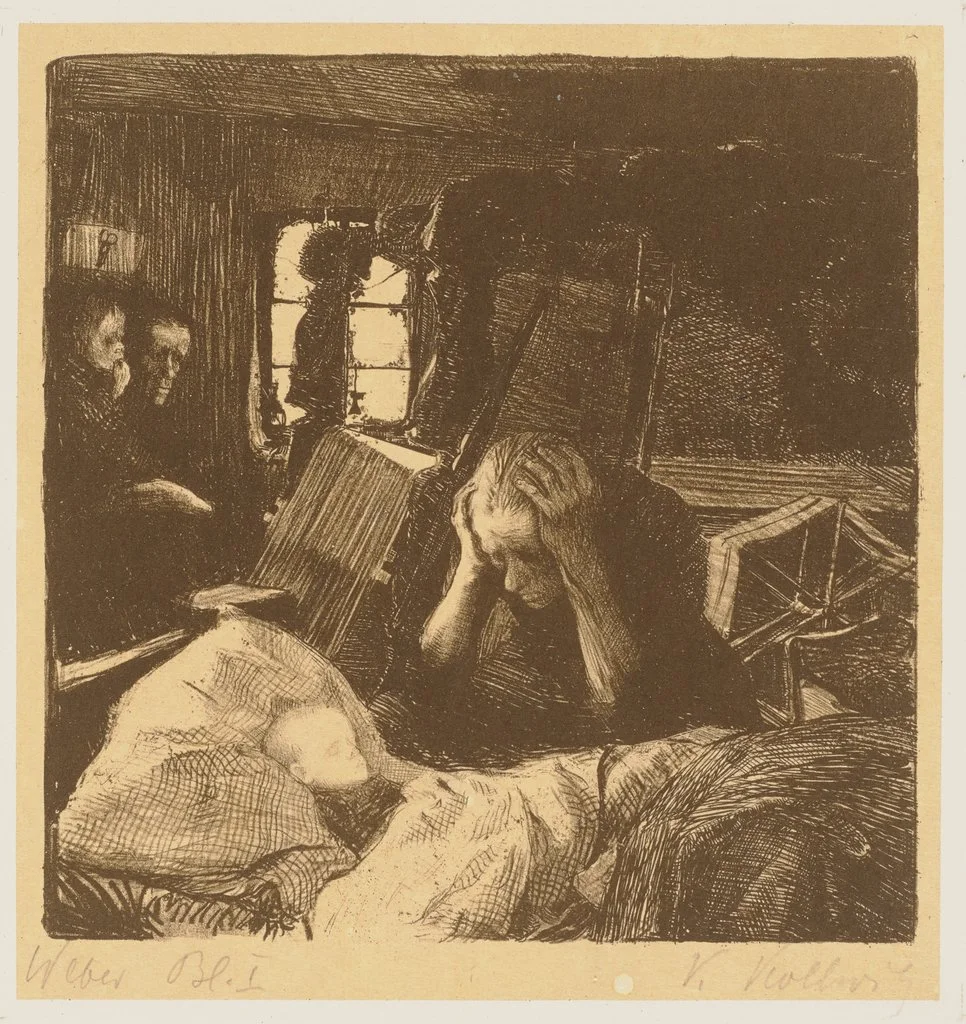
Printmaking also matters because of its enduring closeness to ordinary people’s lives. Between 1893 and 1897, the German artist Käthe Kollwitz completed A Weavers’ Revolt, using etching, lithography, and other techniques to depict workers’ poverty, oppression, and resistance. In End, the print becomes a medium of mourning and protest. The image asks not merely to be seen, but to be answered.
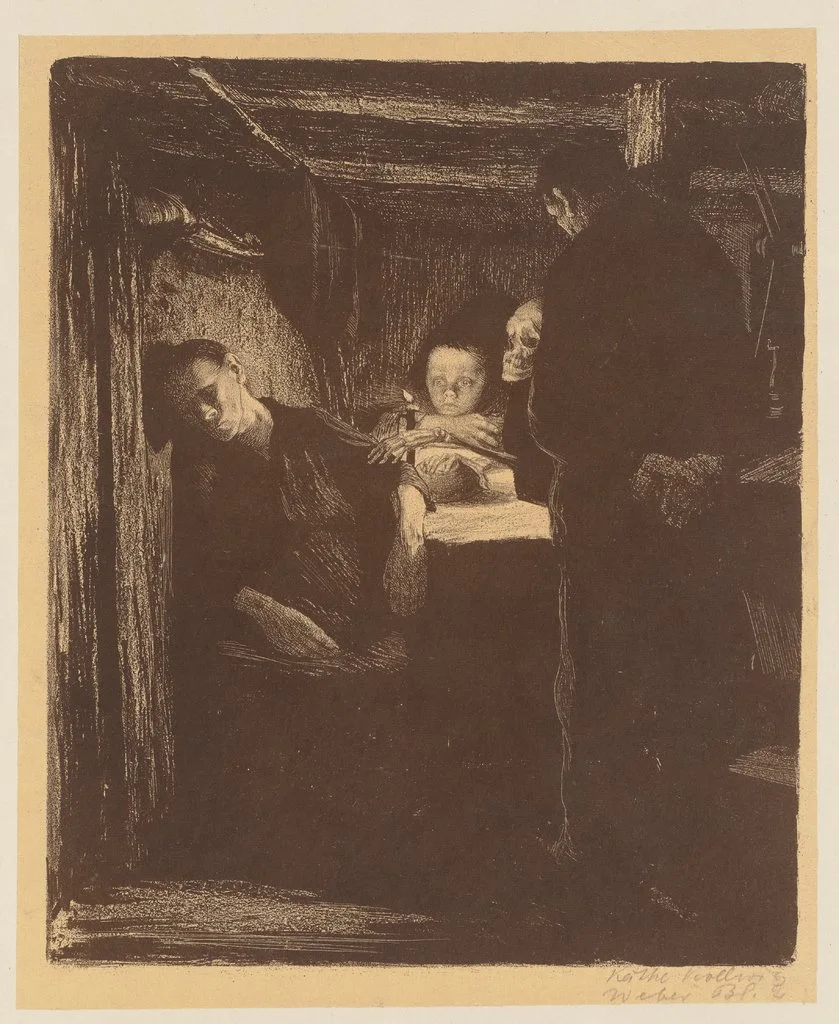
Käthe Kollwitz (1867–1945), Death, from A Weavers’ Revolt (Ein Weberaufstand), 1893–1897. The series employs lithography, etching, and other techniques. Collection of the Städel Museum, Frankfurt am Main, Germany. Städel Museum, Frankfurt am Main / Public Domain.
-
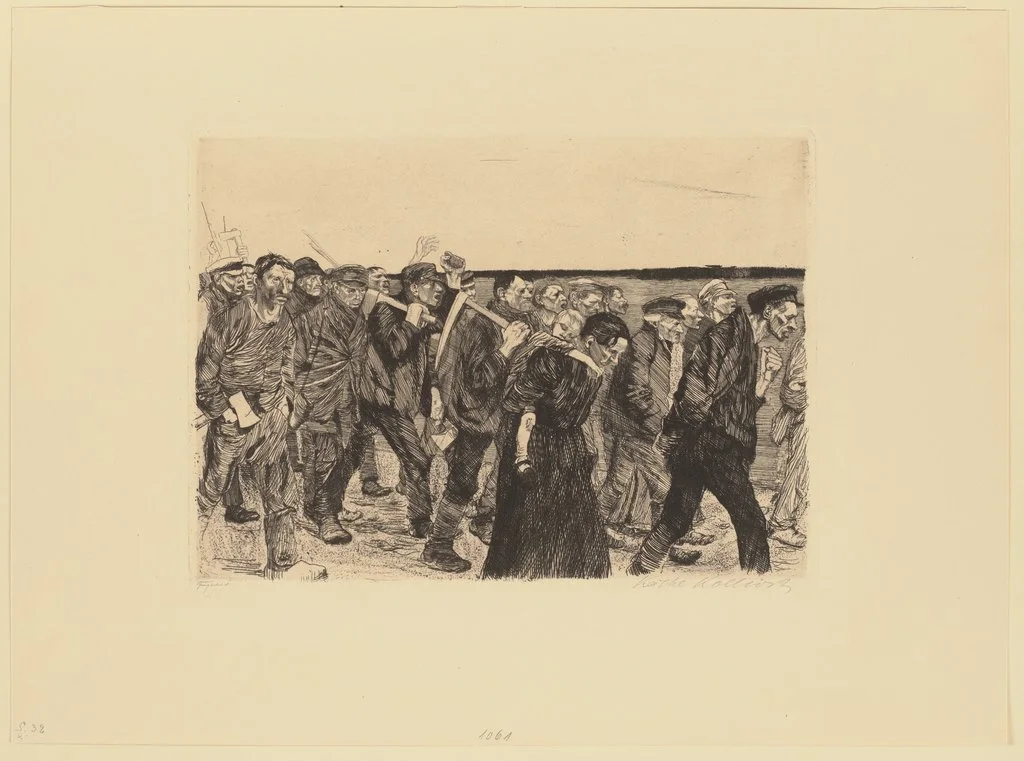
Käthe Kollwitz (1867–1945), March of the Weavers, from A Weavers’ Revolt (Ein Weberaufstand), 1893–1897. The series employs lithography, etching, and other techniques. Collection of the Städel Museum, Frankfurt am Main, Germany. Städel Museum, Frankfurt am Main / Public Domain.
-
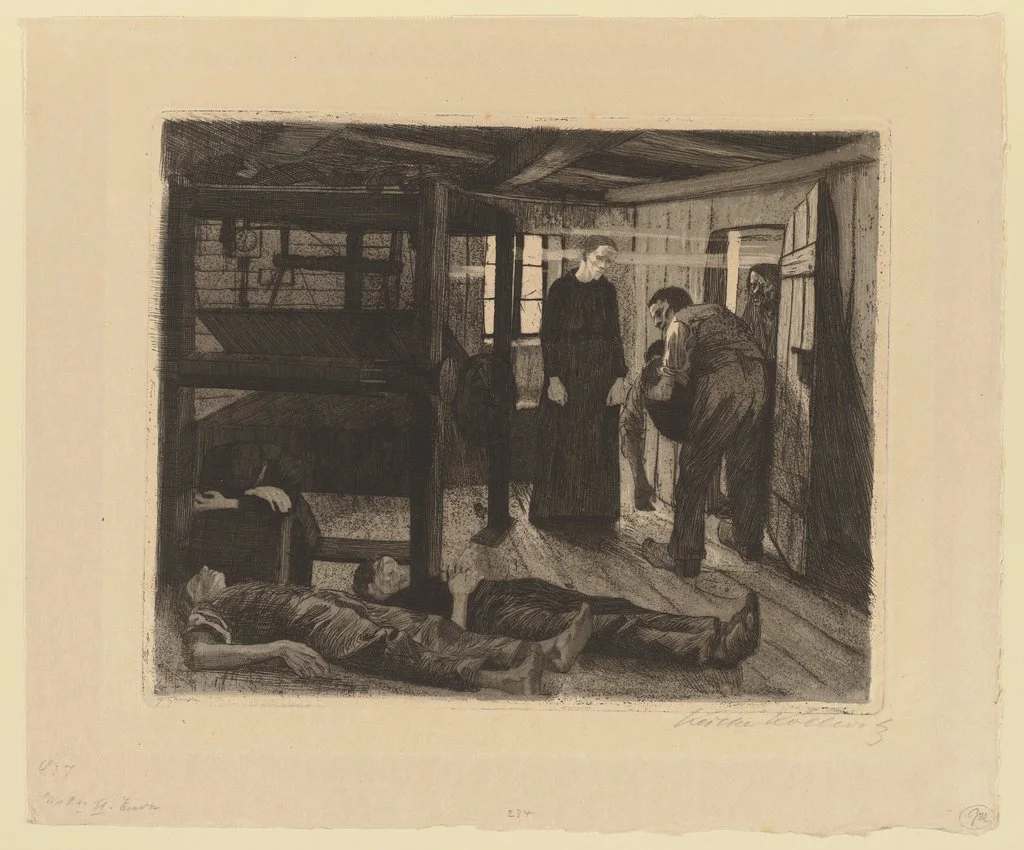
Käthe Kollwitz (1867–1945), End, from A Weavers’ Revolt (Ein Weberaufstand), 1893–1897. The series employs lithography, etching, and other techniques. Collection of the Städel Museum, Frankfurt am Main, Germany. Städel Museum, Frankfurt am Main / Public Domain.
-
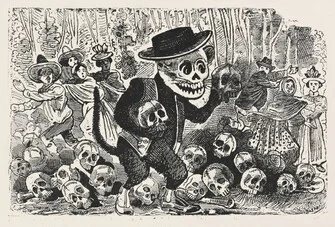
Around the same period, the Mexican printmaker José Guadalupe Posada (1852–1913) produced a large body of satirical prints featuring skulls and skeletons.
José Guadalupe Posada / Amon Carter Museum of American Art, Fort Worth, Texas / Public Domain.
-
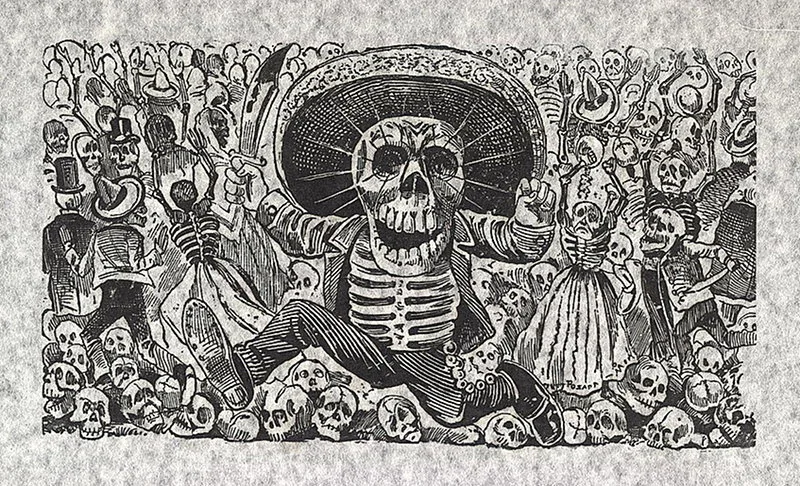
In The Oaxacan Calavera, dated around 1910, exaggerated, direct black-and-white imagery brings death, politics, and popular humor into broadsides circulated on the streets. Inexpensive and easy to distribute, these works showed that prints did not have to belong to an elite. They could carry news, jokes, criticism, and collective memory.
-
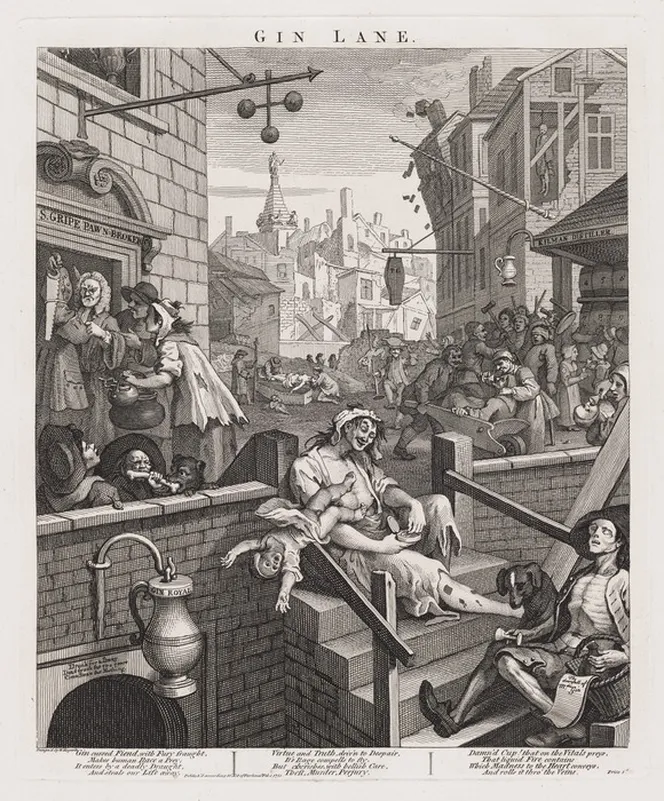
From sutras, Bibles, and religious narratives to street posters, labor movements, and political satire, printmaking has repeatedly changed where images belong. It has made art collectible, but also portable—something to be posted, shared, and even used to give expression to voices that struggle to be heard.
William Hogarth, Gin Lane, 1751. Etching and engraving. Collection of The Metropolitan Museum of Art.
-
08
From Printing Surface to Paper:
Contemporary Art Prints

In the digital age, images can be reproduced almost without limit. Precisely because of this, returning an image to paper—to a tangible form that can be preserved over time—has become a more deliberate choice.
-
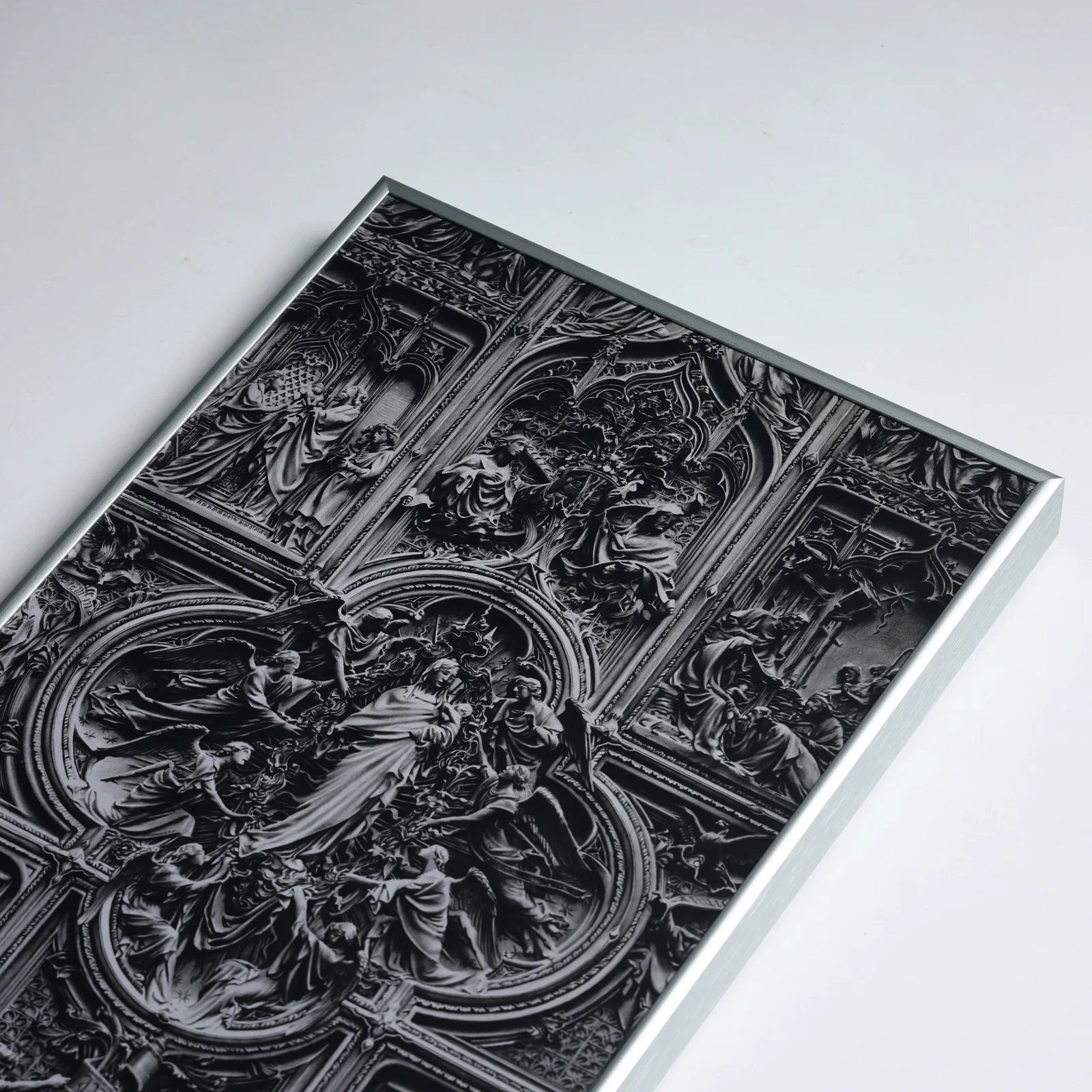
Cashonly’s art prints begin with original works created by hand or digitally. The colors and brushwork of physical originals are captured through photography, while digital works are prepared from their original files. Through color correction and giclée printing, the details of each medium become layers of tone and texture on paper.
-
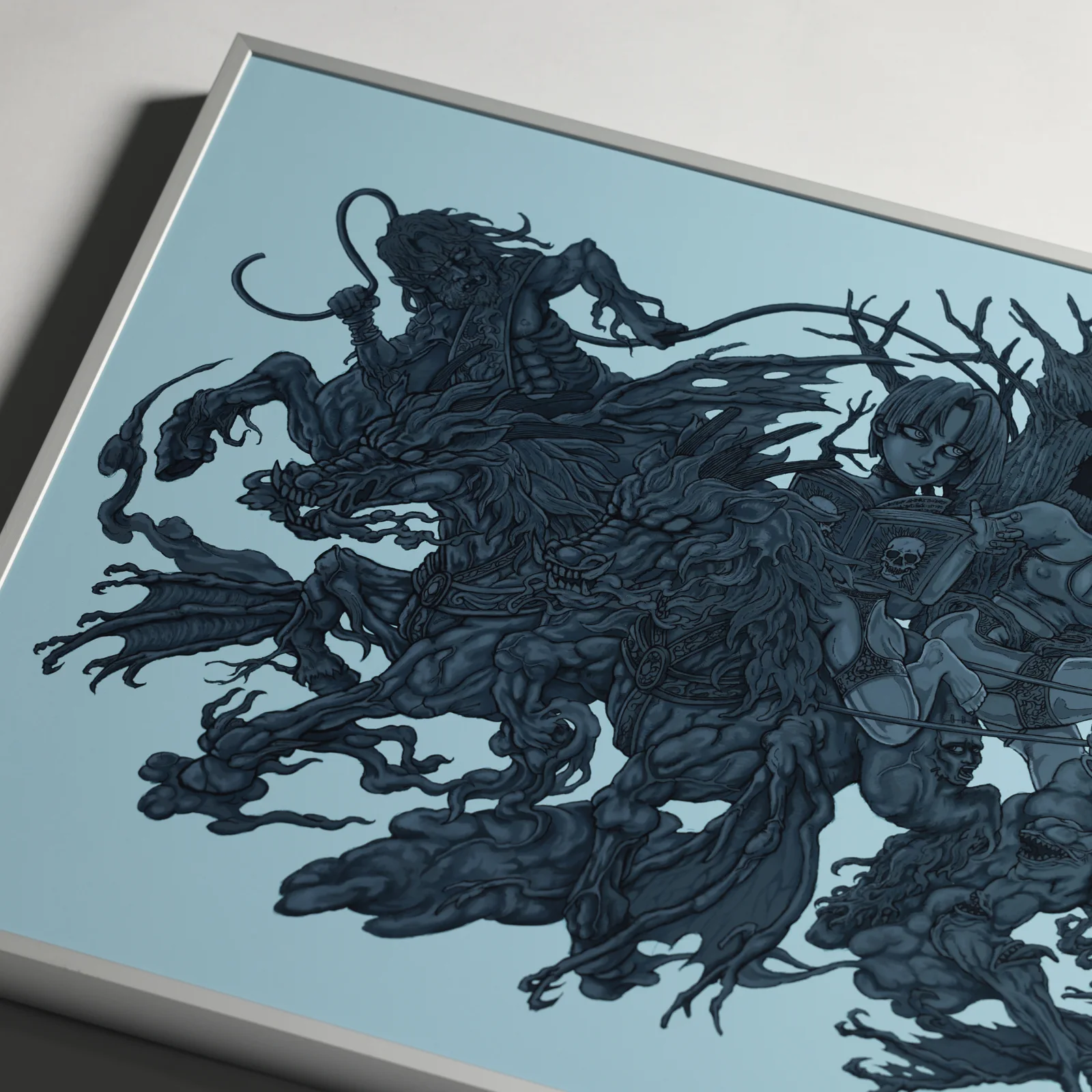
Each work is then carefully mounted and framed with acid-free materials. It moves beyond social media, a phone’s photo library, or the memory of an exhibition, becoming something to treasure, to bring into a personal space, and to live with over time.
-
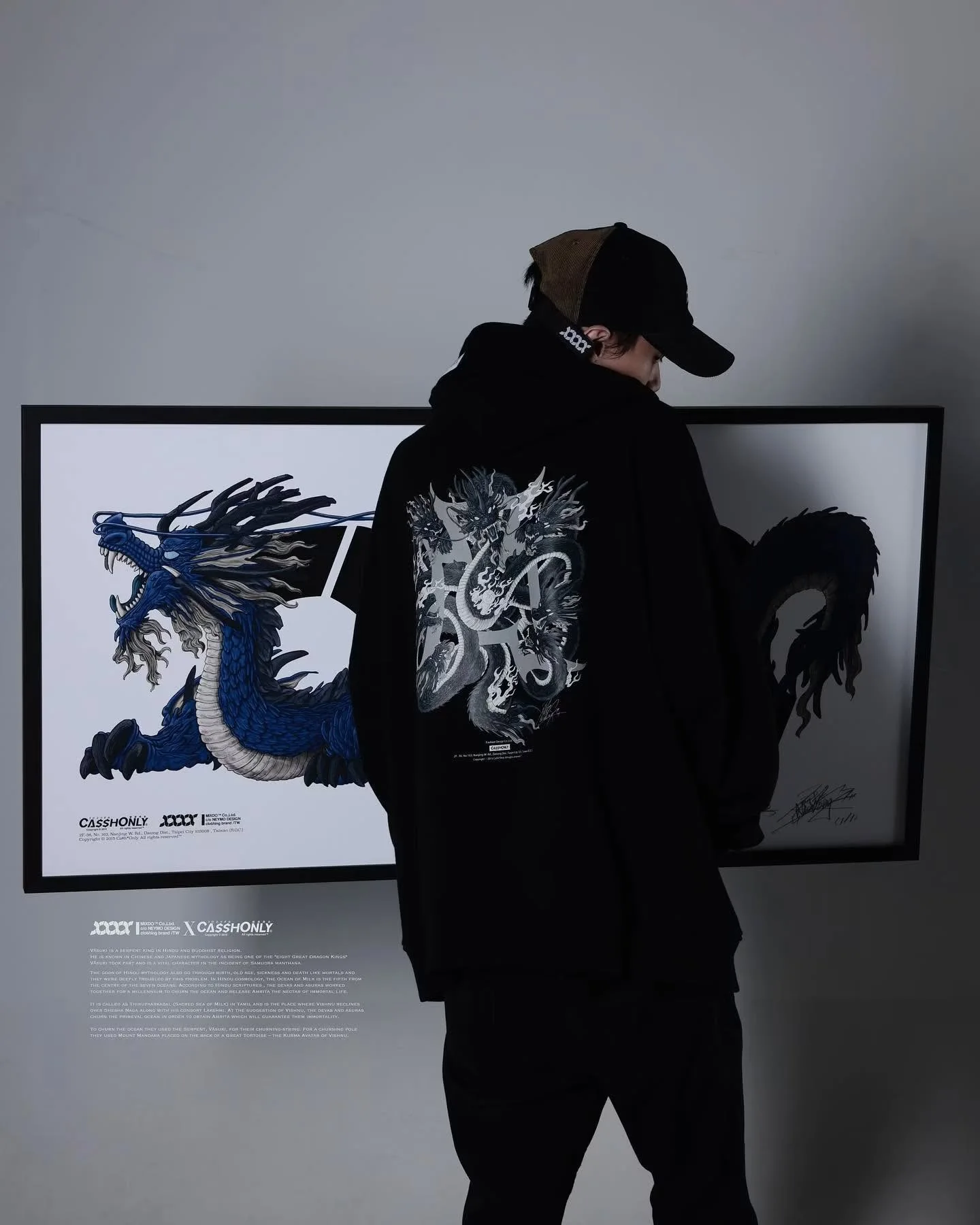
Some images stay with you. Perhaps it is a certain color, or the feeling within the work, that makes you want to return for another look, even after scrolling past so many others.
-
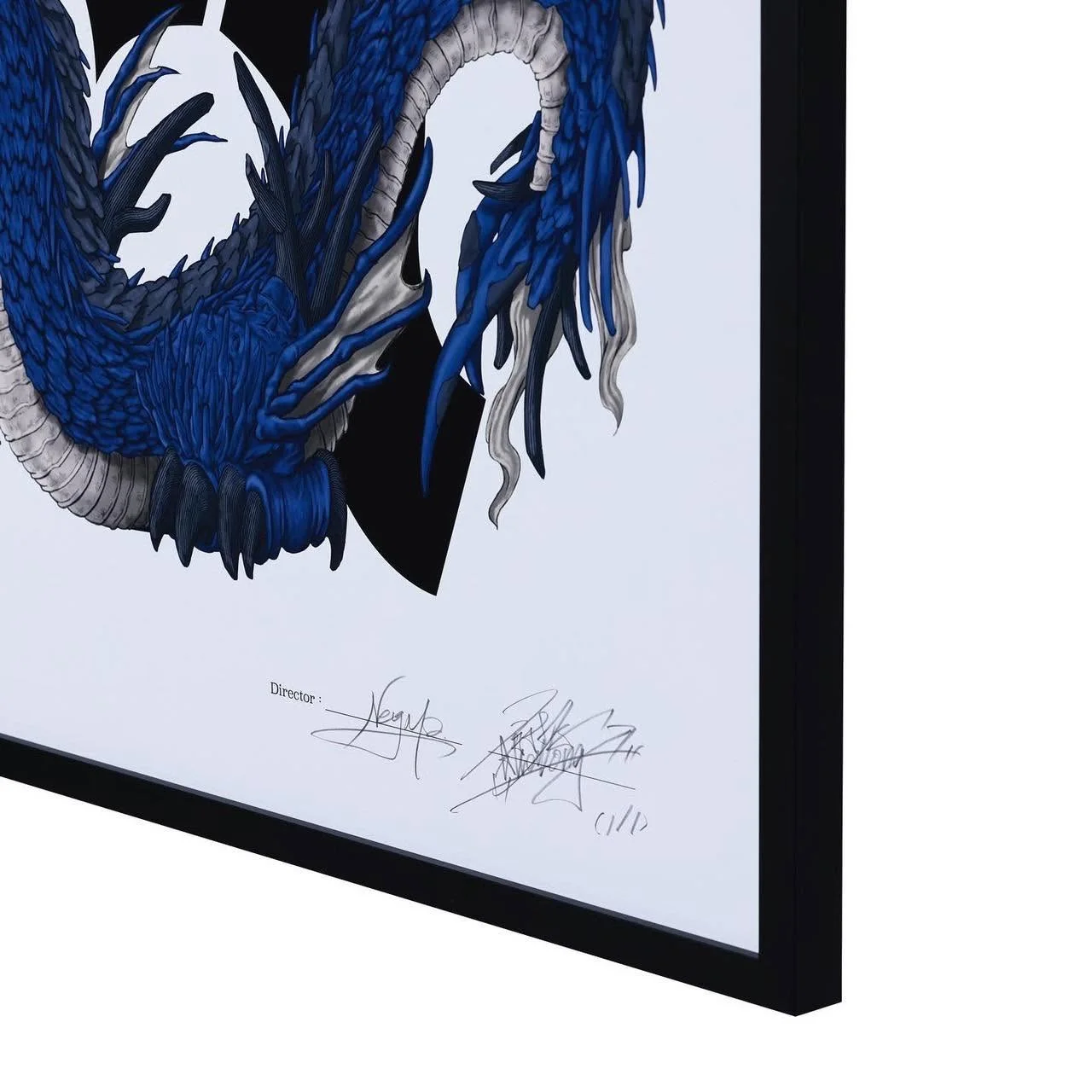
Giclée is not a replacement for traditional woodcut, copperplate, or lithography; it is a contemporary method of producing images. Yet it carries forward an essential idea at the heart of printmaking: every transfer from an original printing matrix to a work on paper involves choices about materials, color, scale, and how the image will be seen.
-
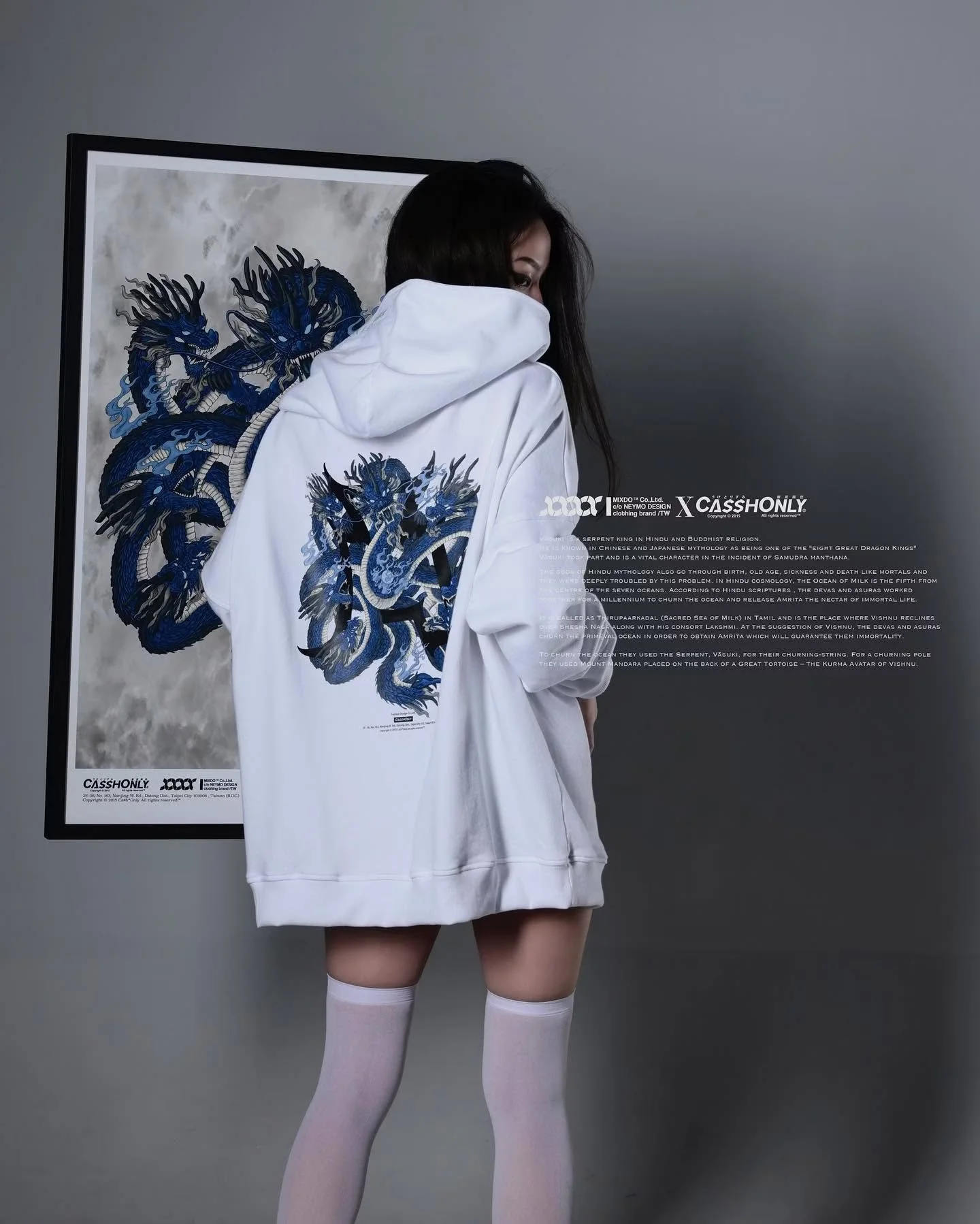
From a piece of wood, a sheet of metal, or a slab of stone to today’s fine art papers and digital printing, materials continue to change. What remains is the desire to preserve images worth seeing.
-
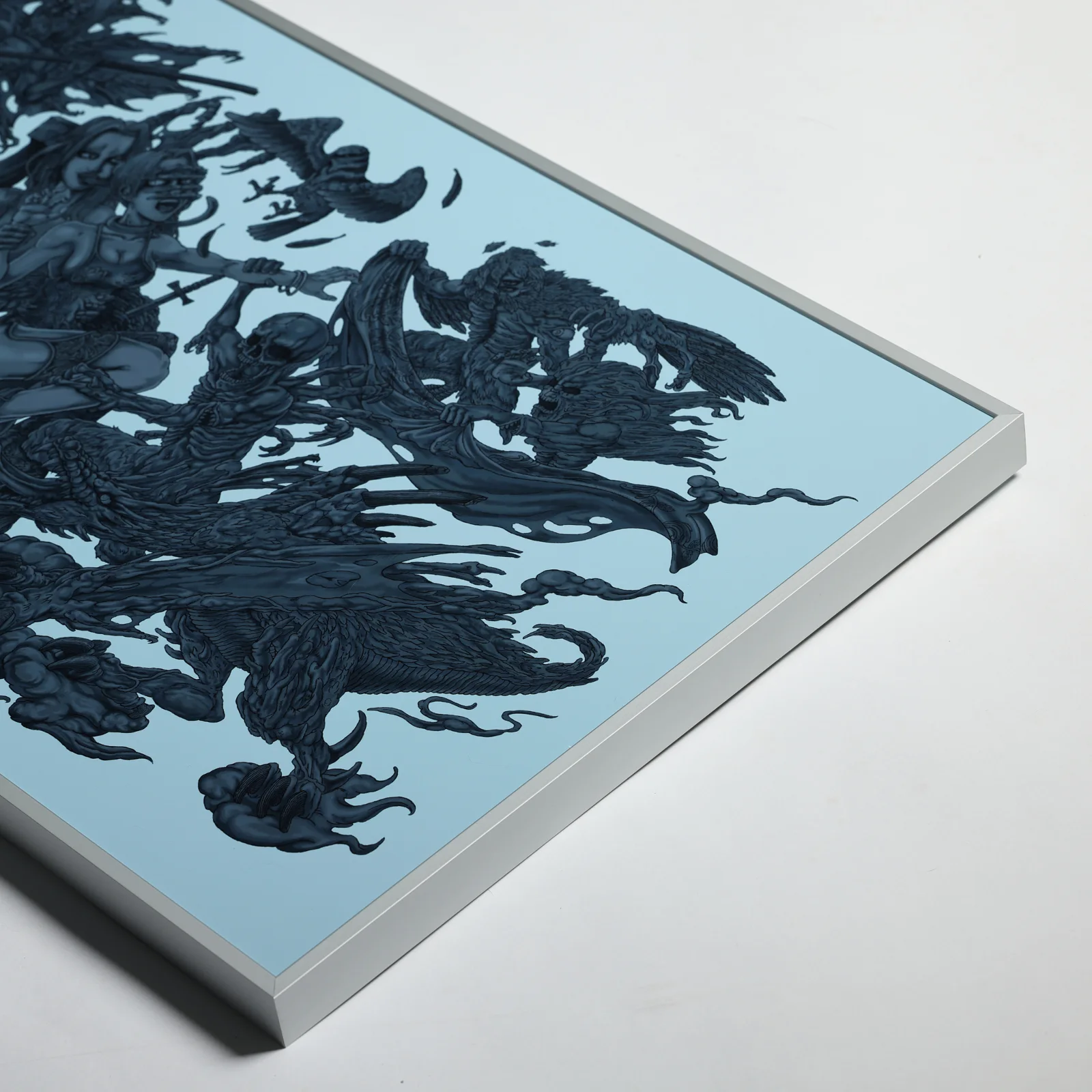
As a work moves from the artist’s hands to your wall, the changing light throughout the day reveals details you may not have noticed when you first encountered it.
-
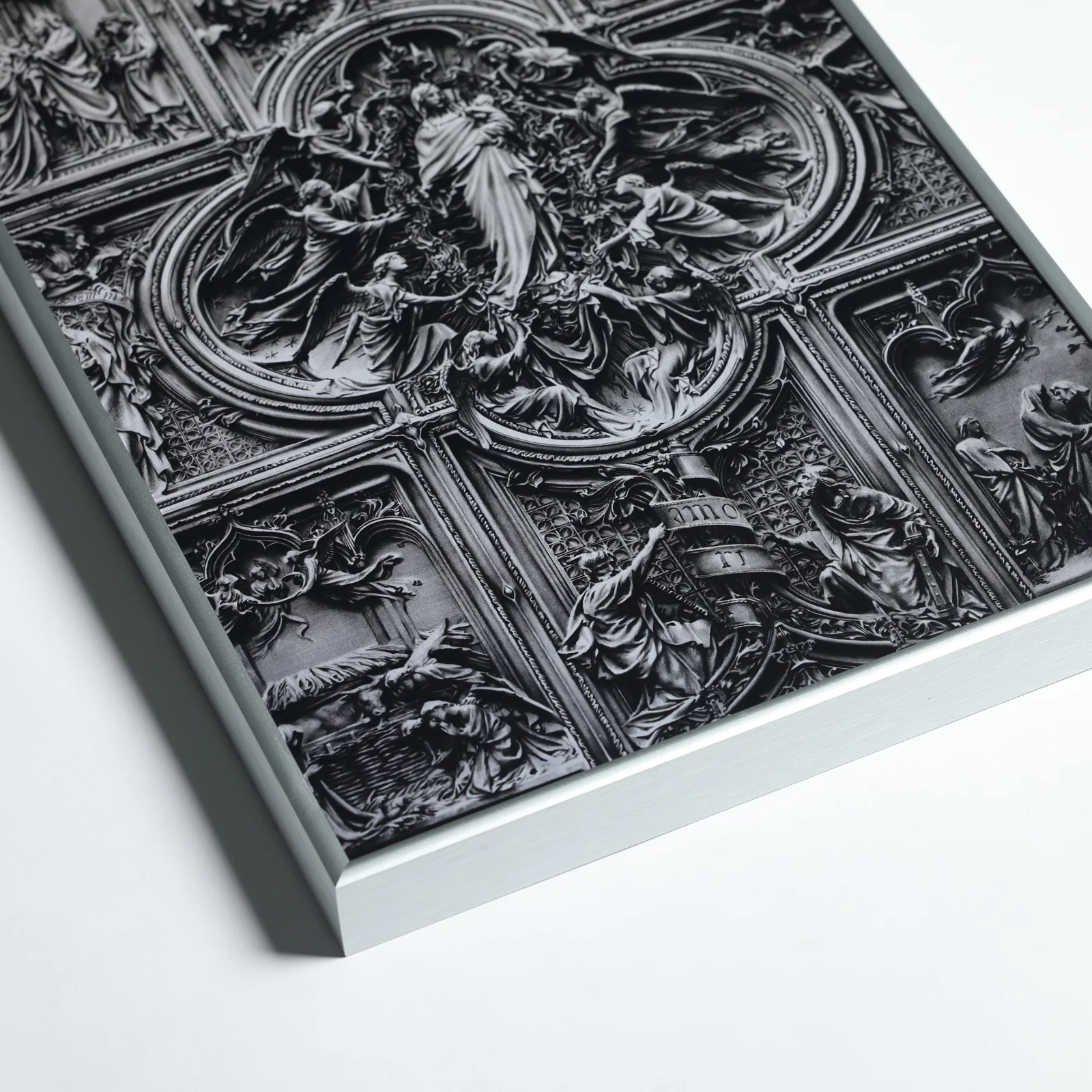
It becomes more than a reproduction: something to live with, and something to collect.
-

Become a subscriber and support what we are building.